
Boston is a city you can cross on foot in an afternoon and still not finish in a week. Lines of brick set into the pavement lead you past the places where the American Revolution was argued and fought, the oldest public park in the country opens onto streets of brick townhouses, and across the Charles River two of the world's best-known universities keep their own quiet campus rhythm. Then there is the water: a working harbour, oysters at a marble bar that has stood in the same place since the 1820s, and a free bus from the airport that drops you at the edge of downtown.
This guide is for planning that kind of trip: which neighbourhood to stay in and who each one suits, which museums deserve a morning, where to eat in the North End, how the T works, and what to expect from autumn colour and a New England winter. Prices are in US dollars and were checked on 16 October 2026; fares and opening hours change, so confirm before you go.
The Areas
Boston is compact, and the T links almost everything below, so choose by mood rather than by distance. Cambridge sits just across the river and counts as part of any visit.
- Back Bay — Copley Square, Trinity Church and the long, straight streets of Victorian brownstones, with the Charles River a few blocks away. Suits first-timers, shoppers and anyone who likes elegant streets for an evening walk.
- Beacon Hill — Federal-style brick houses, gas lamps, the State House and the restaurants of Charles Street, right beside Boston Common. Suits couples, photographers and travellers who want the old city on the doorstep.
- North End — the Italian-American neighbourhood around Hanover Street, with pastry shops, small restaurants and the Freedom Trail running through it. Suits food lovers and history walkers.
- Downtown and Faneuil Hall — the historic heart, with Faneuil Hall and Quincy Market, the start of most Freedom Trail walks and quick links to every T line. Suits short stays and anyone who wants to step out of the hotel and straight into the sights.
- Seaport — Boston's newest district on the South Boston waterfront, home to the Institute of Contemporary Art and the convention centre, with harbour views and wide promenades. Suits business travellers and those who like modern hotels by the water.
- South End — Victorian brownstones, gas-lit side streets, galleries and restaurants, with the SoWa Open Market on Sundays from May to October. Suits repeat visitors and travellers who prefer a neighbourhood feel.
- Cambridge — across the Charles, home to Harvard and MIT, bookshops and cafés, and the Harvard Art Museums. Suits curious minds, families visiting universities and anyone who wants a slightly slower pace.

What to See and Do
Begin where the city began. Boston Common, founded in 1634, calls itself America's oldest park; in winter its Frog Pond becomes a skating rink, and in summer a spray pool for children. Next door, in the Public Garden, the Swan Boats have been family run since 1877 and sail daily from April to September; they are closed now and return in April 2027.
The museums are the reason to give Boston an extra day. The Museum of Fine Arts at 465 Huntington Avenue charges $30 for adults, is closed on Tuesdays and stays open until 10pm on Thursdays and Fridays; other days it closes at 5pm. A short walk away at 25 Evans Way, the Isabella Stewart Gardner Museum costs $25 for adults and is free for anyone 17 and under, and for anyone named Isabella, with a reservation. It is closed on Tuesdays, opens until 9pm on Thursdays, and timed tickets can sell out, so book ahead.
Across the river in Cambridge, the Harvard Art Museums at 32 Quincy Street are free to all visitors every day, open Tuesday to Sunday from 10am to 5pm. Harvard runs a free, student-led historical tour through Harvard Yard, booked through Eventbrite with groups of up to 10, and a free self-guided tour in the Visit Harvard app. On the Seaport waterfront, the Institute of Contemporary Art at 25 Harbor Shore Drive costs $20, is closed on Mondays and is free for everyone on Thursdays from 5pm to 9pm, with advance tickets required.
Then there is Fenway Park, home of the Red Sox since 1912. Public tours leave on the hour and last 60 minutes, at $30 for adults and $21 for children aged 3 to 12; from November to March they run from 10am to 5pm. The view from the top of the Green Monster, the left-field wall standing 37 feet 2 inches high, is part of the visit.

The Freedom Trail and the Harbour
The Freedom Trail is Boston's spine: a 2.5-mile walk that links 16 historic sites through downtown and Charlestown, from Boston Common to the Bunker Hill Monument. Brick lines in the pavement mark the way, so you can follow it without a map. Along the route you pass Faneuil Hall, the town meeting space that has hosted celebrations, debates and protests, and the North End, before crossing to Charlestown.
At the Charlestown Navy Yard, USS Constitution, the world's oldest commissioned naval vessel still afloat, is free to board on a first-come, first-served basis from Wednesday to Sunday, 10am to 4pm; it is an active-duty Navy ship, so check the security requirements before you go. Up the hill, the Bunker Hill Monument is 221 feet tall and free to enter, and its top is reached by 294 steps in a tight spiral stair.
The harbour itself is part of the city. Ferries run out to the Boston Harbor Islands during the warmer season, with Georges Island and Spectacle Island among the best known; check schedules on the islands' official site before you plan a day. In the colder months, the waterfront promenades of the Seaport and the North End still make for a good walk at dusk.

What to Eat and Drink
Seafood is the first reason to come hungry. New England clam chowder is cream-based, with clams, potatoes, onions and celery, and never tomatoes; a proper lobster roll comes on a toasted, top-split New England bun. Union Oyster House at 41 Union Street, near Faneuil Hall, has served food since 1826 and calls itself America's oldest restaurant; its oyster bar is still in its original position. In the North End, Neptune Oyster at 63 Salem Street is a small raw bar known for oysters and lobster rolls, served hot with butter or cold with mayonnaise; it takes no reservations, opens daily at 11am, and the raw bar runs until 10pm on weekdays and 11pm at weekends.
For something sweet, Mike's Pastry has sold cannoli on Hanover Street since 1946 and is open from 8am to 10pm. For grazing, the Boston Public Market at 100 Hanover Street is an indoor, year-round market of more than 30 New England food and craft vendors, open daily from 8am, until 6pm Sunday to Tuesday and until 8pm Wednesday to Saturday. In the South End, the SoWa Open Market at 530 Harrison Avenue fills Sundays from May to October.
Getting There and Around
Logan International Airport is close to downtown, just across the harbour. The easiest way in is the Silver Line SL1 bus, which stops at every terminal and is always free from the airport; it runs to South Station, where you can change to the Red Line and commuter rail. Alternatively, take the free Massport shuttle from your terminal to Airport station and ride the Blue Line, which connects with the Green Line at Government Center and the Orange Line at State. Massport also runs Logan Express buses, including one to Back Bay.
In the city, the subway costs $2.40 a ride and a local bus $1.70. Tap a contactless bank card, phone or watch at the gates, or load a CharlieCard. If you plan to ride a lot, a CharlieCard pass is better value: $11 for a 1-Day Pass or $22.50 for a 7-Day Pass, both counted from first use; passes cannot be loaded onto a contactless card. Contactless payment also works on the ferries, which cost $2.40 to $9.75 one way depending on the route, but not on commuter rail, where fares run from $2.40 to $13.25 by distance.
Most of central Boston is best seen on foot. The Freedom Trail, Beacon Hill, the North End and Back Bay join up easily, and Cambridge is just across the Charles.
When to Go
Autumn is the season Boston is known for. Days cool from average highs of 73°F (about 23°C) in September to 51°F (about 11°C) in November, and the leaves turn through October and into November. October also brings the Head of the Charles Regatta on the river and Halloween events across the city. Spring warms from an average high of 45°F (about 7°C) in March to 66°F (about 19°C) in May, when the blossom is out.
Summer, from June to September, is the height of the tourist season, with average highs of 76 to 82°F (about 24 to 28°C) and humid spells. Winter is cold, with average highs of 36 to 39°F (about 2 to 4°C) in January and February and short days, but it brings skating on Frog Pond and quieter museums; pack a proper coat and good shoes.
Good to Know
- ESTA — visitors from Visa Waiver Program countries need an approved ESTA and an e-passport. Apply only on the official site, esta.cbp.dhs.gov, and do it as soon as you start planning, ideally before you buy your flights.
- Tipping — tipping is customary in the US for table service, at bars and in taxis, and is not included in most prices; check your bill before adding one.
- The T — use the same contactless card or phone each time you tap, and keep it for the free SL1 from the airport; on commuter rail, buy a ticket separately.
- Closed days — the Museum of Fine Arts and the Gardner both close on Tuesdays, the ICA on Mondays; plan museum days around them.
- Free things — the Freedom Trail, Boston Common, the Harvard Art Museums, USS Constitution and the Bunker Hill Monument cost nothing, as does the ICA on Thursday evenings.
Our Picks
- To walkThe Freedom Trail
2.5 miles and 16 historic sites, marked in the pavement and free to follow.
- To seeMuseum of Fine Arts
A full day of art, open until 10pm on Thursdays and Fridays.
- To seeIsabella Stewart Gardner Museum
Book a timed ticket; free for under-18s and anyone named Isabella.
- To seeHarvard Art Museums
Free to all, every day it is open.
- To seeFenway Park
Hour-long tours of the Red Sox's ballpark, home since 1912.
- To seeUSS Constitution
The world's oldest commissioned naval vessel still afloat, free to board.
- To eatNeptune Oyster
Oysters and lobster rolls at a small raw bar; walk-ins only.
- To eatUnion Oyster House
Serving since 1826, with its oyster bar in its original place.
- To eatMike's Pastry
Cannoli since 1946, open until 10pm.
Where to Stay
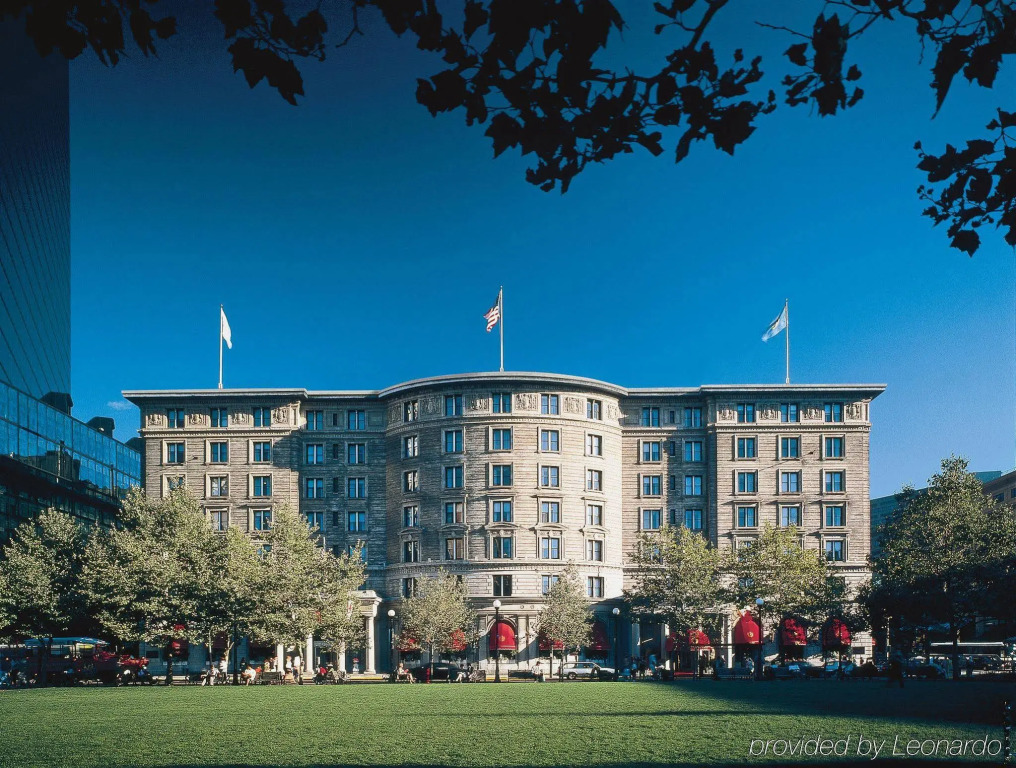
Fairmont Copley Plaza
Near Copley Square and Trinity Church, with a bar, restaurant, massage room and fitness centre.
View on TRVL ↗
The Revolution Hotel
Within walking distance of the city centre, near the Mills Gallery and Back Bay, with a bar, restaurant and fitness centre.
View on TRVL ↗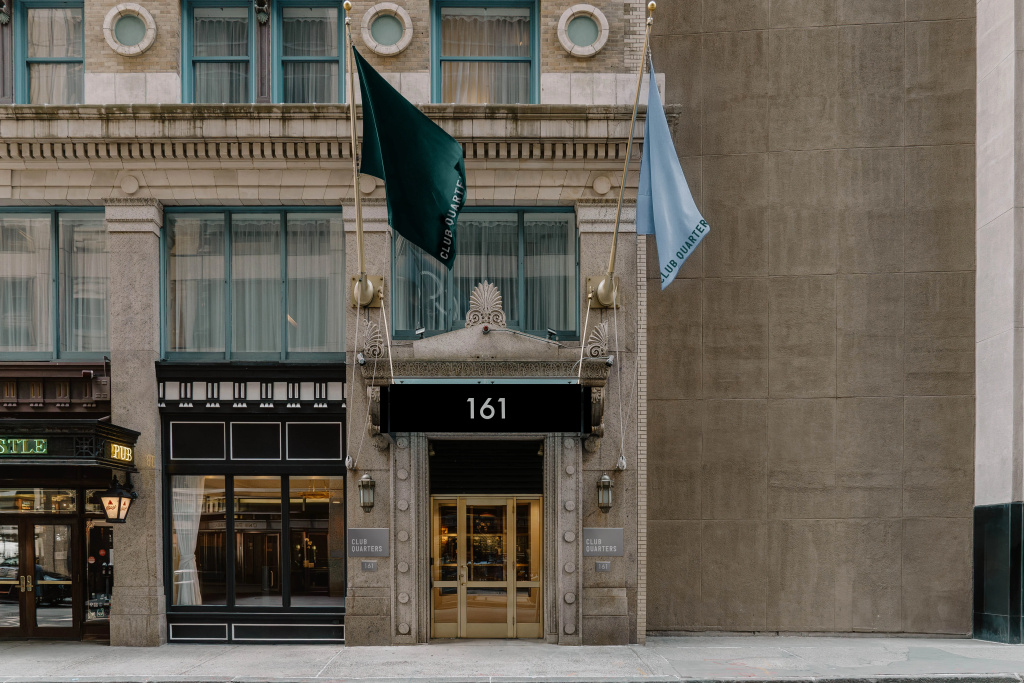
Club Quarters Hotel Faneuil Hall
In the city centre, near the Old Corner Bookstore and Norman B. Leventhal Park, with a bar and restaurant.
View on TRVL ↗
Seaport Hotel® Boston
Close to the Innovation District, the convention centre and Leader Bank Pavilion, with a bar, restaurant, café and steam bath.
View on TRVL ↗The Essence
Boston rewards the traveller who slows down: a morning on the Freedom Trail, a cannoli on Hanover Street, an afternoon among the Gardner's paintings, a dozen oysters as the light goes over the harbour. It is a small city with a long memory, easy to walk and easy to love, and in autumn, with the leaves turning along the Charles, it is hard to think of a better place to be.