
At midnight on the last day of the year, crowds pack the Puerta del Sol and swallow a grape for each of the twelve chimes of the clock on the Real Casa de Correos. It is a fair introduction to a capital that likes to do things together and out of doors: a vermouth before lunch, a Sunday morning at El Rastro, tapas in La Latina late into the evening.
It is also a city of great painting: the Prado, the Reina Sofía and the Thyssen-Bornemisza sit a short walk apart along the Paseo del Prado, and all three open for free at set hours. Add a royal palace of more than 3,000 rooms, a park of over 125 hectares, fast trains to Toledo and Segovia, and bright, sunny winter days, and Madrid becomes a trip for any season.
The Areas
Central Madrid is compact, and most of these areas are a short walk or a few metro stops apart.
- Sol and the Austrias — Puerta del Sol, with Kilometre Zero and the bear and the strawberry tree, is the city's meeting point; the Austrias, the oldest part of Madrid, spreads west to Plaza Mayor and the Royal Palace. The most central base, and the busiest.
- Barrio de las Letras — the Literary Quarter, where Cervantes, Lope de Vega and Quevedo lived in the 17th century. Calle Huertas is engraved with quotations from their work and the Prado is at the bottom of the hill. Good for museums, theatres and tapas on foot.
- La Latina — narrow medieval streets opening onto small squares, named after Beatriz Galindo, the humanist who tutored Queen Isabella. Home of El Rastro and the tapas bars of Cava Baja. Best for food lovers.
- Malasaña — named after Manuela Malasaña, a heroine of the uprising of 2 May 1808, and the birthplace of the movida madrileña in the 1980s. Vintage shops, old taverns and terraces. Suits late nights.
- Chueca — next to Gran Vía, known for its lively nightlife and as a major LGTBIQA+ hotspot, with the Museum of Romanticism and the San Antón Market. Good for shopping, eating and going out.
- Salamanca — a 19th-century grid laid out by the Marquis of Salamanca, with fashion stores on the Golden Mile, Michelin-starred restaurants and the National Archaeological Museum. Elegant and calmer.
- Retiro — residential streets around El Retiro Park and the Puerta de Alcalá, with the bars of the Ibiza district nearby. Good for families and anyone who wants green space outside the door.

What to See and Do
Start with the Royal Palace, begun in 1738 after a fire destroyed the old Alcázar and home to the kings of Spain from Charles III to Alfonso XIII. It has more than 3,000 rooms, and since 17 March 2026 the renovated Reliquary of the Royal Chapel is open to visitors too. Since 20 August the entrance is from Plaza de la Armería, by the Almudena Cathedral. From October to March the palace opens Monday to Saturday from 10:00 to 18:00 and on Sundays from 10:00 to 16:00, with last entry an hour before closing. EU citizens and residents get in free from Monday to Thursday between 16:00 and 18:00 in winter.
Time your visit for a Wednesday or Saturday and you will catch the Changing of the Guard outside the Puerta del Príncipe, between 11:00 and 14:00. On the first Wednesday of the month the Solemn Changing of the Guard brings around 400 people and 100 horses; the next is on 4 November at noon.
From the palace, walk east through the Austrias to Plaza Mayor, which holds a coin fair on Sunday mornings, and on to Puerta del Sol, which marked the city's eastern edge in the 15th century. Then cross into the Barrio de las Letras, where the Teatro Español stands on the site of the Corral del Príncipe, a Golden Age open-air theatre.
Below the quarter runs the Paseo del Prado, which with El Retiro has been a UNESCO World Heritage site, the Landscape of Light, since 2021.

Three Museums on One Avenue
The Prado holds about 8,600 paintings and more than 700 sculptures, so decide what you want to see first; the museum suggests itineraries of one, two and three hours. The essentials include Velázquez's Las Meninas, Goya's Third of May 1808 and his Black Paintings, and Bosch's Garden of Earthly Delights. It opens Monday to Saturday from 10:00 to 20:00 and on Sundays and holidays until 19:00. A ticket costs €15, and entry is free for everyone in the last two hours: 18:00 to 20:00 from Monday to Saturday, and 17:00 to 19:00 on Sundays and holidays.
At the southern end of the avenue, the Reina Sofía, in a hospital first built in the 16th century, is the home of Picasso's Guernica, alongside Dalí, Miró and Juan Gris. It opens on Monday and from Wednesday to Saturday from 10:00 to 21:00, and on Sundays until 14:30; it is closed on Tuesdays. General admission is €12, and entry is free from 19:00 to 21:00 on the evenings it is open. You still need a ticket for the free hours, which you can book online.
Between the two, the Thyssen-Bornemisza completes the trio; a ticket costs €14. From September to June it opens Tuesday to Sunday from 10:00 to 19:00, staying open until 23:00 on Saturdays. On Mondays it opens from 12:00 to 16:00 and the collection is free, with no ticket needed. On Saturdays from 21:00 to 23:00 the temporary exhibitions are free too. The Paseo del Arte pass (€32.80) covers one visit to each of the three.
When your eyes need a rest, El Retiro is across the road. The park covers more than 125 hectares with over 15,000 trees: row a boat on the lake below the monument to Alfonso XII, find the Fallen Angel near the rose garden, and look for the nearly 400-year-old Mexican conifer in the Parterre Francés, thought to be Madrid's oldest tree. The Velázquez Palace is used for exhibitions by the Reina Sofía; the Glass Palace of 1887 is closed for renovation for now.

What to Eat and Drink
Madrid cooking is hearty and Castilian. Plan a lunch around cocido madrileño, the chickpea and meat stew; garlic soup and soldaditos de Pavía, fried salt cod in batter, are old favourites. Around Plaza Mayor, try a bocata de calamares, fried squid in a bread roll. Botín, recognised by Guinness as the oldest restaurant in the world, is known for its roast suckling pig.
Tapas are a way of spending the evening. In La Latina, Cava Baja and Cava Alta were once lined with inns and are now known for huevos rotos, fried eggs over potatoes, and the bars around Plaza de la Paja serve croquettes, patatas bravas and boquerones in vinegar. In Malasaña, the Bodega de la Ardosa has poured vermouth and beer on tap since 1892, with tortilla and tinned seafood. In the Literary Quarter, Los Gabrieles, a tavern founded in 1907, reopened in April 2026 after 21 years closed.
Markets are good for grazing. The Mercado de San Miguel, an iron and glass building from 1916 beside Plaza Mayor, has some 30 stalls selling tapas, fish, bread and sweets, and stays lively in the evening. In Chueca, the Mercado de San Antón, refurbished and reopened in 2012, has fresh produce, a dozen food counters and a terrace on the upper floor. Finish, or start, with chocolate and churros at the Chocolatería San Ginés, serving them since 1894 on the Pasadizo de San Ginés.
Getting There and Around
Flights land at Adolfo Suárez Madrid-Barajas. Metro Line 8 runs to Nuevos Ministerios in about 12 minutes from Terminals 1, 2 and 3 and about 20 minutes from Terminal 4. Airport stations charge a €3 supplement, so a single ticket to or from the airport comes to €4.50 to €5. The Airport Express bus (route 203) runs 24 hours a day for €5.10, from Atocha station by day and from Plaza de Cibeles between 23:30 and 6:00; it reaches Terminal 1 in about 30 minutes. Pay on board by card, or in cash with no note larger than €20.
In the city, the metro has more than 300 stations and runs from 6:00 to 1:30. Pay-per-ride tickets go on the Tarjeta Multi, a rechargeable card that costs €2.50 at the stations. A single metro ticket costs €1.50 for up to five stations, rising to €2 for ten or more, and a ten-trip ticket valid on the metro and city buses costs €7.30; these fares are fixed until 31 December 2026. The Tourist Travel Pass, for 1, 2, 3, 5 or 7 days, gives unlimited rides.
Toledo and Segovia are both easy day trips by high-speed train. Trains reach Toledo from Atocha in about 25 minutes. A World Heritage city since 1986, it has a Gothic cathedral with paintings by El Greco and Goya in the sacristy, and El Greco's Burial of the Count of Orgaz in the Church of Santo Tomé. Bring home marzipan. Segovia, a World Heritage city since 1985, is about 25 minutes from Chamartín. Its Roman aqueduct has 166 arches and stands without mortar. Stay for lunch: roast suckling pig is the local speciality.
When to Go
Spring and autumn are the easy seasons. Average highs reach about 18°C in April, 22°C in May and 19°C in October, comfortable weather for walking all day and sitting outside until late. Summer is hot, with July highs averaging 32°C, so save the museums for the afternoon.
Winter is Madrid's quiet advantage. The city sits at about 667 metres, so nights are cold, with January lows of around 3°C, but days are often bright: Madrid averages about 149 hours of sunshine in January and 158 in February, with highs near 10°C and 12°C. Wrap up and enjoy it: cocido at lunch, chocolate and churros after dark, New Year's grapes in the Puerta del Sol.
Good to Know
The Reina Sofía closes on Tuesdays and the Thyssen opens only 12:00 to 16:00 on Mondays. Free hours are popular, so arrive early.
Metro works: Line 6 currently stops at 23:00 from Sunday to Thursday, and Line 10 is not running between Nuevos Ministerios and Cuzco; free buses replace both.
El Retiro and several other parks may close in severe weather, and the Glass Palace is closed for renovation.
El Rastro happens on Sunday and holiday mornings, when the tapas bars of La Latina are at their busiest with locals and visitors alike; start early or be ready to stand.
Our Picks
- To seeMuseo del Prado
Velázquez, Goya and Bosch under one roof, free for everyone in the last two hours of the day.
- To seeMuseo Reina Sofía
Picasso's Guernica in a former hospital; free from 19:00 on the evenings it is open, closed on Tuesdays.
- To seeRoyal Palace
More than 3,000 rooms, and the Changing of the Guard on Wednesdays and Saturdays.
- To walkEl Retiro Park
Rowing boats on the lake, the Fallen Angel and Madrid's oldest tree, across the road from the Prado.
- To walkEl Rastro
The city's best-known flea market, on Sunday and holiday mornings.
- To eatBotín
The oldest restaurant in the world according to Guinness, for roast suckling pig.
- To eatMercado de San Miguel
Some 30 stalls in an iron and glass hall of 1916; good for an early tapa or an evening glass.
- To eatChocolatería San Ginés
Chocolate and churros since 1894, at white marble tables by a tiled counter.
- To drinkBodega de la Ardosa
Vermouth and beer on tap since 1892, with tortilla and tinned seafood.
Where to Stay
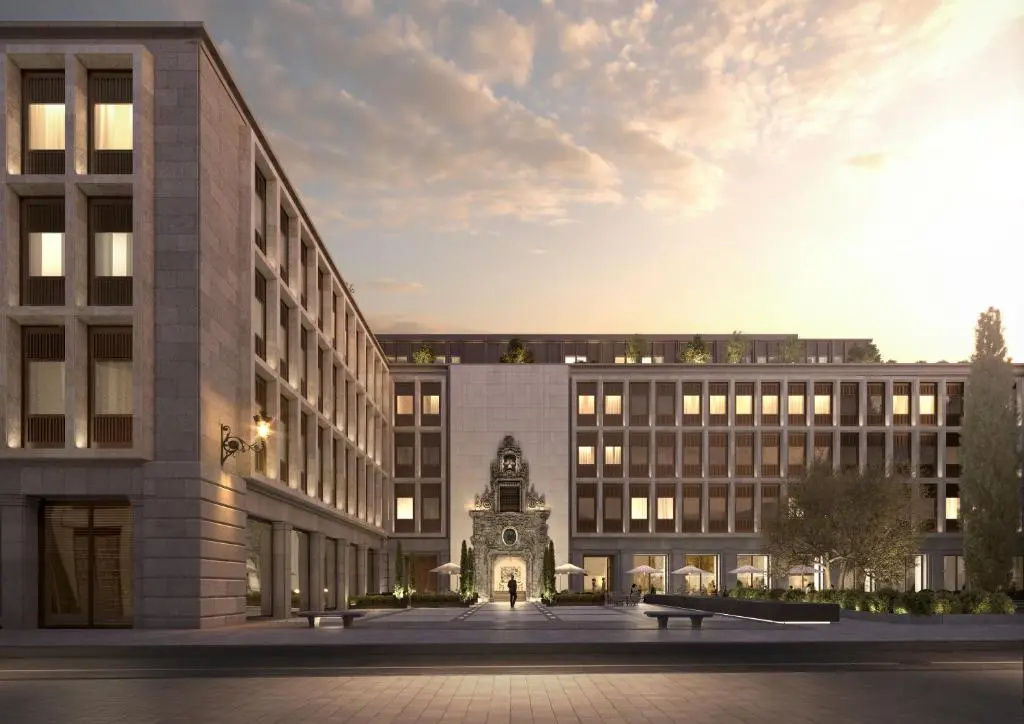
The Madrid EDITION
In the centre of the city near the Convent of Las Descalzas Reales and Puerta del Sol, with a bar, a restaurant, a spa, a fitness centre and an outdoor pool.
View on TRVL ↗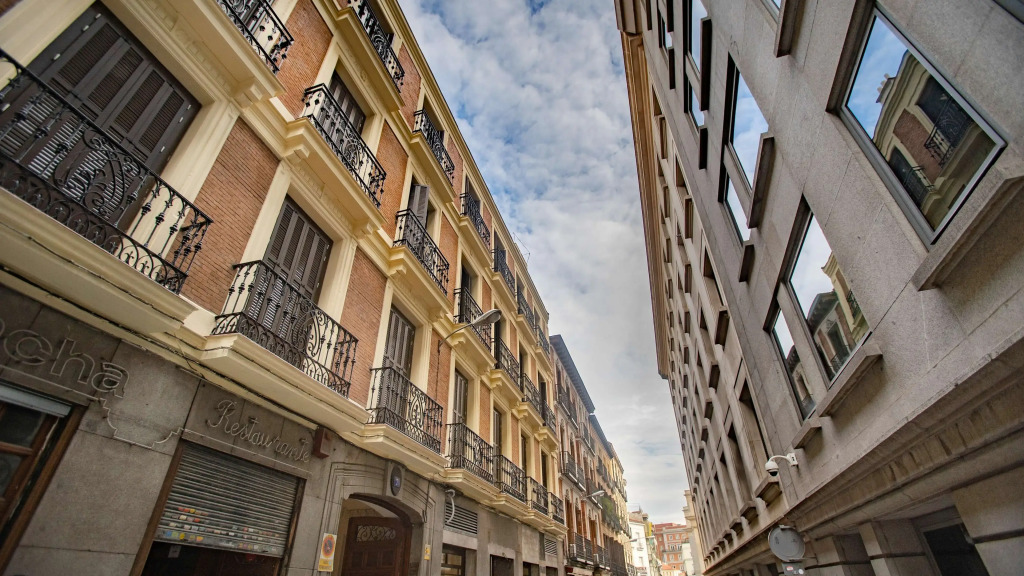
Soho Boutique Congreso
A boutique hotel on Calle Zorrilla, minutes from the city centre, with a bar and a restaurant.
View on TRVL ↗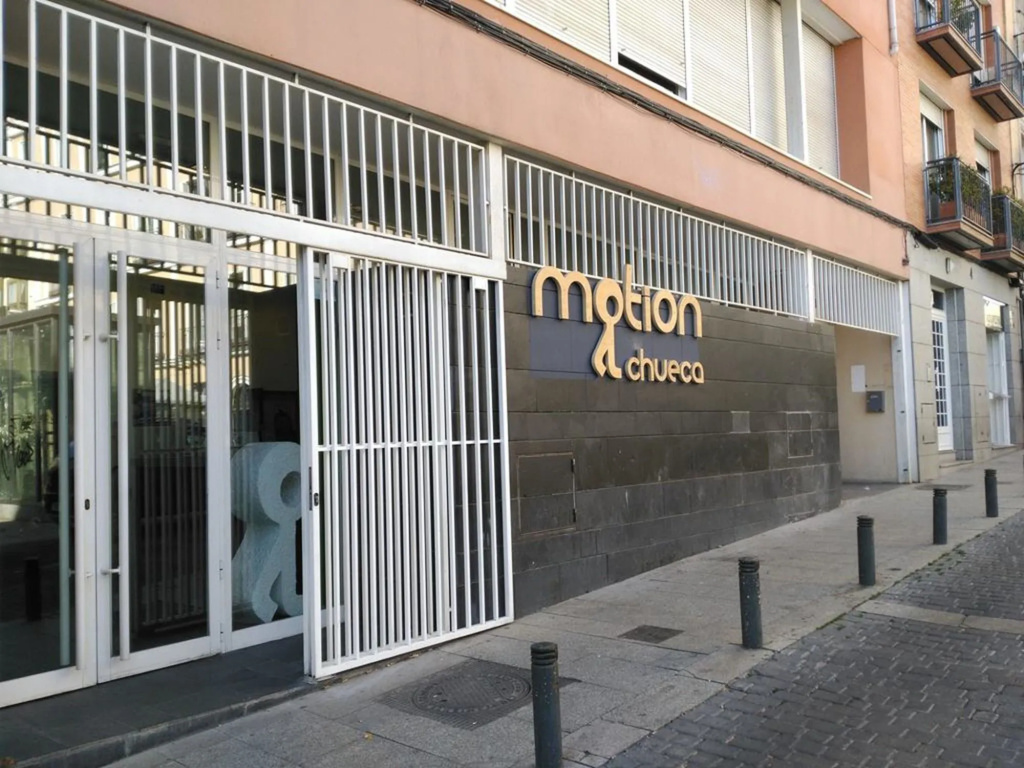
El Patio de Chueca
A hostel on Plaza de Pedro Zerolo, about 1 km from the centre, with a shared kitchen and a table tennis area.
View on TRVL ↗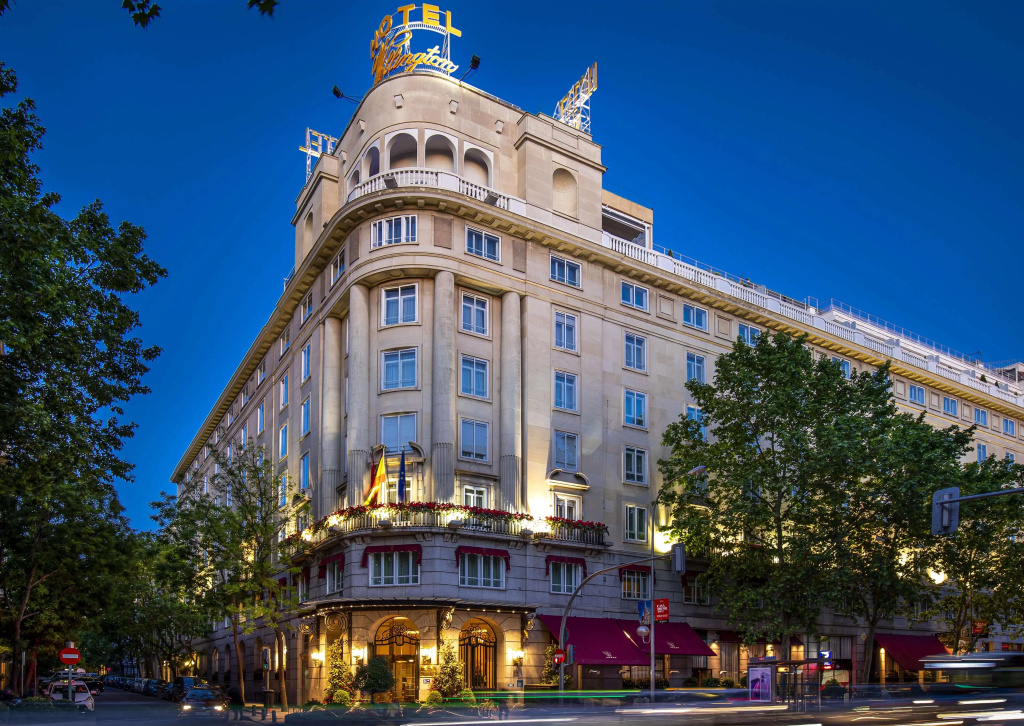
Wellington Hotel & Spa
Close to the Retiro and the Puerta de Alcalá, with a bar, a restaurant, a café, a spa with sauna, and a pool.
View on TRVL ↗The Essence
Madrid rewards the visitor who keeps a loose plan. Spend the morning with Velázquez or Picasso, walk it off in El Retiro, and let the evening find you at a counter in La Latina or a terrace in Malasaña. Take a train to Toledo or Segovia for a change of scene, then come back to a city where there is always another plate on the way and, even in January, a good chance of a sunny afternoon.