
Washington rewards the visitor who likes to wander indoors as much as out. Along the National Mall, a long green lawn runs from the Capitol towards the Potomac, lined with museums where admission is often free, and the evening light turns the marble of the Lincoln Memorial and the Washington Monument a warm gold. Away from the monuments there is a real city to enjoy: the brick lanes and canal locks of Georgetown, the row houses of Capitol Hill, the music history of U Street and a new waterfront at the Wharf.
This guide is for planning that kind of trip: which neighbourhood suits you, how to get into the Capitol, the Library of Congress and the White House, when the cherry trees flower, how the Metro works and how to reach the city from each of its three airports. Prices are in US dollars and were checked on 16 October 2026; hours, passes and fares change, so confirm on the official sites before you go.
The Areas
Washington is spread out, but the Metro joins most of the areas below. Choose by the trip you want rather than by the map.
- Georgetown — the historic village on the Potomac, with colonial-era houses, the C&O Canal and its locks, and the Old Stone House on M Street, built in 1765. Suits shoppers, walkers and anyone who likes a neighbourhood with its own centre.
- Dupont Circle — streets that radiate from the fountain at its centre, with the Phillips Collection a short walk away and some of the city's busiest restaurant and café streets around it. Suits couples, art lovers and travellers who like a lively evening on the doorstep.
- Capitol Hill — the Capitol, the Library of Congress and, behind them, a historic neighbourhood of row houses around Eastern Market. Suits history lovers and anyone who wants the government sights within walking distance.
- Penn Quarter and Chinatown — the downtown cultural district between the White House and the Capitol, known for its theatres and performing arts, and within walking distance of the Mall. Suits first-timers and short stays.
- U Street and Shaw — the stretch once known as Black Broadway, with a statue of Duke Ellington, Ben's Chili Bowl, live music, and the city's Little Ethiopia in Shaw. Suits food lovers, music fans and night owls.
- The Wharf and Southwest Waterfront — the city's waterfront district on Maine Avenue, with four public piers, seafood spots, a Saturday-morning farmers market and a free SW Shuttle. Suits travellers who like water views and an evening walk by the boats.

What to See and Do
Start on the National Mall. The National Park Service looks after more than 1,000 acres of green space here, and the park itself is open 24 hours a day. The Lincoln Memorial chamber and exterior are free and open to the public; the 555-foot marble obelisk of the Washington Monument needs a timed-entry ticket. Advance tickets are released on Recreation.gov, typically 30 days ahead, and a number of same-day tickets are handed out on site from 8:45 every morning; arrive at the screening area at least 15 minutes before your time.
The Smithsonian museums along the Mall are the city's great free pleasure. The National Air and Space Museum at 650 Jefferson Drive SW is always free, open from 10am to 5:30pm and closed only on 25 December, but it requires a free timed-entry pass for everyone, children included, and all visitors enter through the Jefferson Drive doors. Pass rules differ between Smithsonian museums, so check si.edu for each one on your list.
For art away from the Mall, the Phillips Collection at 1600 21st Street NW calls itself America's first museum of modern art. Adult admission is $20, visitors aged 18 and under enter free, and advance reservations are encouraged; it is closed on Mondays, open 10am to 5pm Tuesday to Saturday and 11am to 5pm on Sunday.
In Georgetown, the Old Stone House is the oldest structure on its original foundation in Washington, built in 1765 when this was still the British colony of Maryland. A few minutes away, the C&O Canal begins its long run inland; the Park Service runs replica canal boat rides in Georgetown with Georgetown Heritage, so check their site for the current season.

The Capitol, the White House and the Library of Congress
Tours of the US Capitol are free. Reservations are recommended and can be made for a specific day and time on visitthecapitol.gov, but walk-ins are welcome and placed on the next available tour; if you arrive without a booking, aim to be there by 2:30pm. The historic rooms can only be seen on a guided tour, which covers the Crypt, the Rotunda and National Statuary Hall. Enter through the Capitol Visitor Center, underground on the east side of the building, and leave time for security screening; check the prohibited items list before you go.
White House tours are also free, but they work differently. The official site asks that requests be made through a Member of Congress, between 7 and 90 days before the date you want, and tours generally run on Tuesday to Thursday mornings and Friday and Saturday until early afternoon, except on federal holidays. The official page does not describe a separate route for visitors from abroad, so check whitehouse.gov well ahead before you count on a tour.
Across the street from the Capitol, the Library of Congress is one of the finest rooms in the city to stand in. Entry to the Thomas Jefferson Building at 10 First Street SE is free with a timed-entry ticket, which you can reserve online up to 30 days ahead; same-day tickets are released online at 9am Eastern time. The building is open Tuesday to Saturday from 10am to 5pm, until 8pm on Thursdays, and closed on Sundays, Mondays and some federal holidays. Short, five-minute walkthroughs of the Main Reading Room run Tuesday to Friday, 10:30 to 11:30am and 2 to 3pm, with Thursday evening sessions from 5 to 7pm; free tickets are given out first come, first served in the Great Hall from 10 minutes before each session.

What to Eat and Drink
Washington's most famous local dish is the half smoke, and Ben's Chili Bowl has served its original half smokes with its chili since 1958; the original U Street location is open again. In nearby Shaw, the city's Little Ethiopia is one reason the capital loves Ethiopian food, and Central and South American cooking is easy to find across the city.
For grazing, two markets are worth a morning. Eastern Market at 225 7th Street SE has served Capitol Hill for 152 years; the indoor market opens Tuesday to Saturday 8am to 6pm and Sunday 8am to 5pm, and the outdoor market, with farm produce, arts and crafts, runs on Saturdays and Sundays from 9am to 4pm. Union Market at 1309 5th Street NE gathers more than 50 independent vendors under one roof, with an open-air rooftop bar above. At the Wharf, the Farmers Market SW runs on Saturday mornings through November at M Street Landing, and seafood spots such as Jessie's Cooked Seafood line the waterfront.
Getting There and Around
Washington has three airports, and all three connect to the city by rail. Reagan National, the closest, has an elevated Metrorail station on the Blue and Yellow lines, joined to the concourse level of Terminal 2 by two enclosed pedestrian bridges; from Terminal 1, take any Airport Shuttle bus to the Terminal 2 stop. At Dulles, the Silver Line station is reached by an indoor tunnel with moving walkways from the main terminal and runs into downtown. From BWI, the free airport shuttle from the Lower Level runs every 10 to 15 minutes to the Amtrak/MARC rail station, where southbound trains reach Union Station in about 30 minutes on Amtrak or 35 on MARC; buy rail tickets separately.
On the Metro you can simply tap a contactless credit or debit card at the faregate. Rail fares run from $2.25 to $6.75 on weekdays until 9:30pm, and from $2.25 to $2.50 later in the evening and at weekends; a regular bus ride is $2.25. If you will ride a lot, unlimited passes for Metrorail and Metrobus cost $13.50 for one day, $33.75 for three days and $60.75 for seven, start on first use, and can be held on a SmarTrip card or in Apple Wallet or Google Wallet.
The Mall itself, from the Capitol to the Lincoln Memorial, is best seen on foot.
When to Go
Spring is the city's best-loved season, thanks to the cherry trees. Their story begins in 1912, when Tokyo, with the support of its mayor Yukio Ozaki, sent 3,020 trees, and on 27 March that year First Lady Helen Herron Taft and Viscountess Chinda planted the first two Yoshino cherries on the northern bank of the Tidal Basin. Peak bloom, the day when 70 per cent of the Yoshino blossoms are open, usually falls in the last week of March or the first week of April; between 2004 and 2026 it came as early as 17 March and as late as 10 April. The National Cherry Blossom Festival runs from 20 March to 11 April 2027, with a parade among its events.
April to mid-May and autumn are the most comfortable times for walking. Summer is hot and very humid, with average July highs around 90°F (about 32°C) and heat indices often above that; plan museums for the middle of the day. Winter is mild by northern standards, with January averaging highs around 45°F (about 7°C) and snowfall that varies from year to year, and the museums are quieter.
Good to Know
- ESTA — visitors from Visa Waiver Program countries need an approved ESTA and an e-passport. Apply only on the official site, esta.cbp.dhs.gov, as soon as you start planning, ideally before you buy your flights.
- Passes — the Washington Monument, the Library of Congress and the National Air and Space Museum all need free timed-entry tickets; book the ones that matter to you as soon as they are released.
- Tipping — tipping is customary in the US for table service, at bars and in taxis, and is usually not included in prices; check your bill before adding one.
- Closed days — the Library of Congress closes on Sundays and Mondays and the Phillips Collection on Mondays; plan your museum days around them.
Our Picks
- To walkThe National Mall
More than 1,000 acres of lawns and memorials, open 24 hours and free.
- To walkThe Tidal Basin
Where the first cherry trees from Tokyo were planted in 1912; best in late March and early April.
- To seeLibrary of Congress
Book a free timed ticket and look in on the Main Reading Room.
- To seeNational Air and Space Museum
Free, with a timed-entry pass, open daily except 25 December.
- To seeUS Capitol
Free guided tours of the Crypt, the Rotunda and National Statuary Hall.
- To seeThe Phillips Collection
America's first museum of modern art, free for visitors 18 and under.
- To seeOld Stone House
The oldest structure on its original foundation in Washington, built in 1765.
- To eatBen's Chili Bowl
Half smokes and chili, a city institution since 1958.
- To eatEastern Market
Indoor stalls all week except Monday, with farm produce and crafts outside at weekends.
- To eatUnion Market
More than 50 independent vendors and a rooftop bar.
Where to Stay
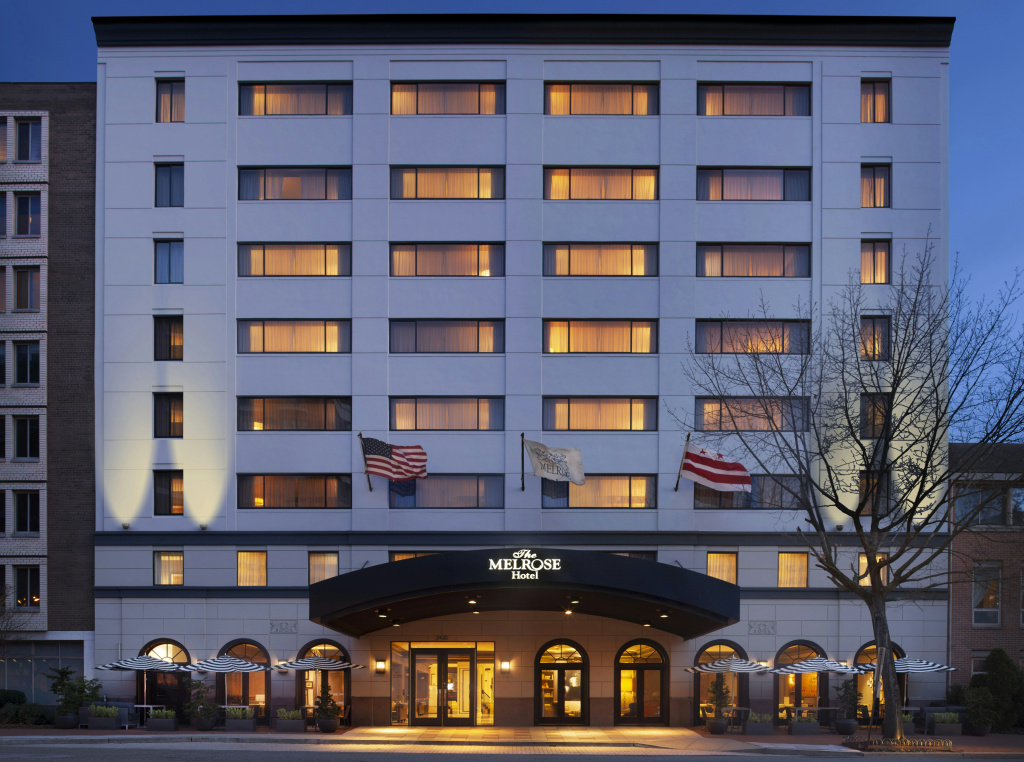
The Melrose Georgetown
Minutes from the city centre and close to Foggy Bottom–GWU, with a bar, restaurant, fitness centre and library.
View on TRVL ↗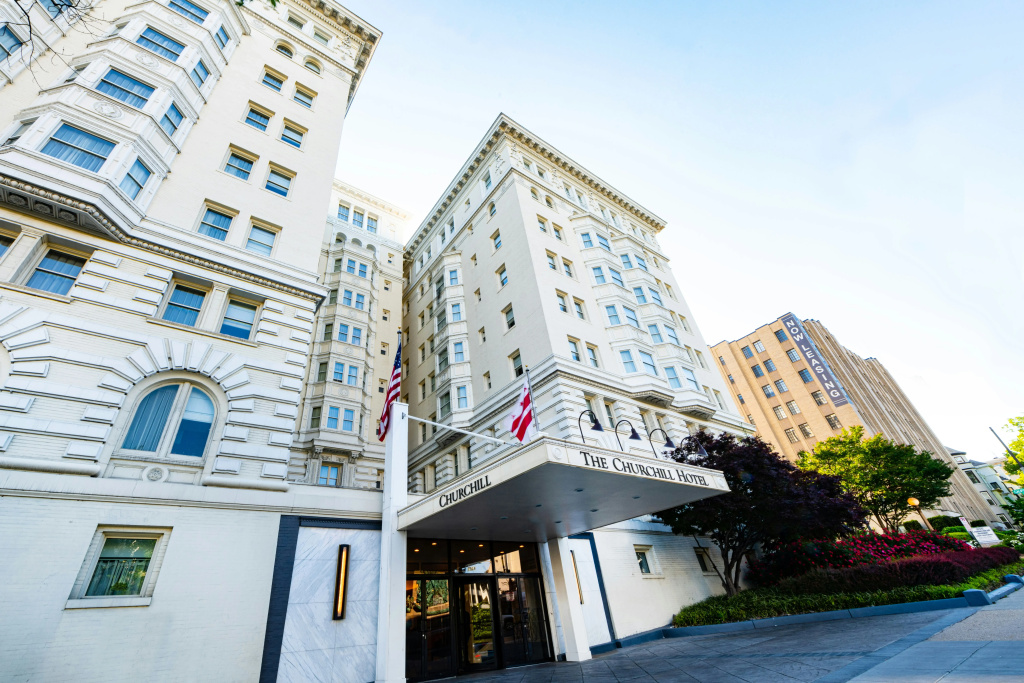
The Churchill Hotel
On Connecticut Avenue, about 3 km from the centre, with a bar, restaurant, massage room and fitness centre.
View on TRVL ↗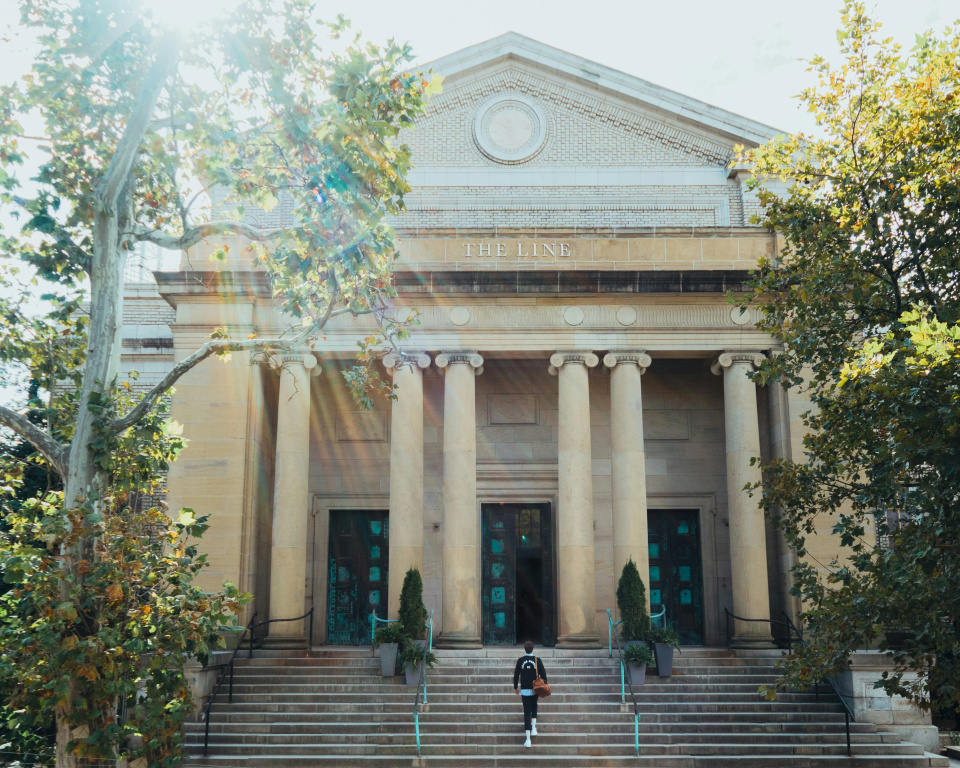
The LINE Hotel
Close to the District of Columbia Arts Center and Mt Pleasant Street, with a bar, restaurant, café and fitness centre.
View on TRVL ↗
Club Quarters Hotel
Within walking distance of the centre, near Farragut West and the Renwick Gallery, with a bar, restaurant and fitness centre.
View on TRVL ↗The Essence
Washington is a city of grand gestures that is best enjoyed in small ones: a morning in a free museum, a half smoke on U Street, a walk along the Georgetown canal, five minutes in the Main Reading Room of the Library of Congress, and the Lincoln Memorial at dusk with the Mall stretching out towards the Capitol. Come in spring for the blossom or in autumn for the long walks, book your passes early, and the capital opens up generously.