
Stockholm is a capital built on water. The inner city spreads across 14 islands joined by bridges, and Wikivoyage counts more than 30 per cent of the city's area as waterways and another 30 per cent as green space. Ferries cross to museum islands, the metro doubles as an art exhibition, and the archipelago, with tens of thousands of islands and skerries, begins almost at the edge of town.
It is also a city of rituals. Fika, the coffee-and-cake break, has a place in almost every day; 4 October is Cinnamon Bun Day; in December, saffron buns and Lucia processions arrive with the candles; and at Midsummer the light hardly fades. Pack comfortable shoes, because this is a city best seen on foot, one bridge at a time.
The Areas
Visit Stockholm's advice is to explore on foot, since the city is built on islands and bridges. Each district has its own mood.
- Gamla Stan, the Old Town — narrow cobbled streets around the Royal Palace and Parliament, with Stortorget, the old square of merchants' houses, at its heart. Västerlånggatan and Österlånggatan follow the line of the medieval walls, and Mårten Trotzigs gränd, less than a metre wide, is the narrowest alley in the city. The obvious base for a first visit.
- Södermalm — a high, rugged island south of the Old Town with views back over the centre. Visit Stockholm calls it the place for trendy shops and nightlife; the SoFo area is packed with restaurants, pubs and boutiques, and Fotografiska sits on its northern waterfront. Best for evenings out.
- Östermalm — upmarket boulevards, shopping around Stureplan and fine dining, with Östermalm's market hall on Östermalmstorg. Elegant, calm and close to the water.
- Norrmalm — the busy centre around Sergels Torg and the Central Station, with the Royal Opera, the main shopping streets and the indoor food market at Hötorget. The most practical base for trains and the airport.
- Djurgården — a green island that was once King Erik XIV's hunting ground and is now surrounded by the Royal National City Park. It holds the Vasa Museum, Skansen, Gröna Lund amusement park and ABBA The Museum. A day here is easy; staying nearby suits families.

What to See and Do
Start with the Vasa Museum on Djurgården. The warship Vasa sank on her maiden voyage on 10 August 1628, a short way out from Stockholm, and was raised in 1961 after 333 years on the seabed with her hull largely intact; the museum built around her opened in 1990. From September to May it is open daily 10:00–17:00, until 20:00 on Wednesdays, and from June to August 08:30–18:00. Adults pay 195 SEK from October to April and 240 SEK from May to September; under-18s go free.
A short walk away, Skansen was opened on 11 October 1891 by Artur Hazelius to show how people lived in Sweden before industrialisation. It calls itself the world's oldest open-air museum, with 190 buildings, the oldest from the early 14th century, and a zoo of Nordic wild animals and traditional Swedish livestock breeds.
In Gamla Stan, the Royal Palace has more than 600 rooms over eleven floors, and the changing of the guard is one of its most popular sights; check the palace's site before you go, as the royal apartments close for official receptions. On Stortorget, the Nobel Prize Museum opens Tuesday to Thursday 11:00–17:00, Friday until 21:00 and weekends 10:00–18:00. Adults pay 160 SEK, students and seniors 120 SEK, and under-18s go free.
Across the water on Södermalm, Fotografiska, at Stadsgårdshamnen 22, is a museum of photography that stays open into the evening; in mid-October 2026 the museum and bar were listed as open 10:00–23:00, though hours vary by day. Harder Better Faster Stronger runs until 7 February 2027, Diana Markosian's Father opens on 23 October 2026, and Kvinnor bakom kameran, 1848–1968, a show on women behind the camera, opens on 5 December 2026. On Mondays, students pay 100 SEK.

Metro Art and Archipelago Boats
Stockholm's metro is promoted as the world's longest art exhibition. More than 90 of its 100 stations are decorated with sculpture, mosaics, paintings and reliefs by more than 150 artists. Look out for the dark blue cave of Kungsträdgården, Siri Derkert's black-and-white drawings at Östermalmstorg and the science themes at Tekniska högskolan. Visit Stockholm notes that free guided art tours in English run all year; all you need is a valid ticket.
Then take to the water. Visit Stockholm counts more than 30,000 islands in the archipelago. Vaxholm, Grinda and Fjäderholmarna are within an hour of the city by ferry or local transport, while the outer islands, such as Sandön with the village of Sandhamn, can be a couple of hours away. Waxholmsbolaget runs the everyday public boats that stop at many jetties, and on its two steamboats you can eat classic Swedish meals; commuter boat 83 and the faster 83X leave from Strömkajen. Strömma runs the visitor boats, from a one-hour Royal Djurgården tour to the 2 hour 15 minute Under the Bridges of Stockholm and longer archipelago trips, and in winter it adds Christmas cruises and Christmas outings to Fjäderholmarna and Vaxholm.
Closer in, the Djurgården ferry, line 82, crosses from Slussen to Djurgården, a short and pleasant way to reach the museums.

What to Eat and Drink
Fika is the place to begin. Visit Stockholm defines it simply as meeting up for a coffee and a cake or pastry, and the word can also mean a café or a short break with colleagues. Order a cinnamon bun, the bun that has its own day on 4 October, or princesstårta: sponge with raspberry jam, whipped cream and vanilla custard under a sheet of pale green marzipan. From late December or early January until Shrove Tuesday, bakeries sell semla, a wheat bun filled with almond paste and whipped cream; in November and December it is the turn of lussebullar, saffron buns.
Vete-Katten is a classic konditori with buns, cakes and fresh coffee. Its Kungsgatan 55 shop opens 07:30–20:00 on weekdays and 09:00–19:00 at weekends, and also serves food through most of the day; there is another branch on Götgatan in Södermalm.
For produce and lunch, Östermalm's market hall on Östermalmstorg reopened in 2020 after a major renovation. It opens Monday to Friday 09:30–19:00 and Saturday 09:30–17:00, and its restaurants stay open in the evening. Hötorgshallen, at Hötorget in Norrmalm, is an indoor food market with a daily fresh market outside.
In December many restaurants serve julbord, the Christmas buffet. To buy wine or spirits outside a bar or restaurant, go to Systembolaget, the state-owned chain, which closes early on Saturday afternoons and stays shut on Sundays and public holidays.
Getting There and Around
From Arlanda Airport, the Arlanda Express takes 18 minutes to Stockholm Central Station, leaving every 10 minutes at rush hour and every 15 minutes at other times. An adult single ticket costs 340 SEK, but two adults travelling together pay 460 SEK, young people aged 18–25 pay 160 SEK, and children travel free with an adult or pensioner ticket holder. The cheaper SL commuter train leaves twice an hour from Arlanda Central and takes about 43 minutes to Stockholm Central; an SL single ticket that includes the Arlanda supplement costs 200 SEK, and under-18s pay no supplement. Flygbussarna airport coaches take 35–45 minutes to the City Terminal next to the Central Station, and a taxi takes about 40 minutes. Taxi fares are not regulated in Sweden, so check the price before you set off.
In the city, SL runs the metro, buses, commuter trains and some ferries. A single ticket costs 43 SEK and is valid for 75 minutes, with changes; a 24-hour ticket costs 180 SEK, a 72-hour ticket 360 SEK and a 7-day ticket 470 SEK. You can tap a payment card at the gates and readers, or buy tickets in the SL app; buses do not take cash. Note that SL tickets are not valid on the Arlanda Express or the airport coaches, and travelling without a valid ticket costs a 1,500 SEK penalty.
When to Go
Summer is the season of the archipelago, swimming and long light. Around Midsummer there are more than 18 hours of daylight, roughly 03:30 to 22:00, and average summer highs are around 22°C. Midsummer itself is a major holiday: many locals head out to the islands, so the city can feel quiet, though events still go on.
Winter has its own pull. Skansen's Christmas market runs Friday to Sunday from 27 November to 20 December 2026, as it has on the old Bollnäs square since 1903. On 13 December, Lucia processions of girls in white gowns, led by a Lucia in a crown of candles, sing traditional songs in schools, churches and workplaces, with saffron buns and coffee. Days are short around Christmas, with about six hours of light, so plan for museums, long lunches and warm cafés. Snow can fall from late November to early April but is never guaranteed.
Good to Know
The currency is the Swedish krona (SEK). Stockholm is largely cashless, and many restaurants, shops and hotels do not accept notes or coins, so bring a debit or credit card. If you do need cash, ATMs are marked Bankomat.
Most people speak good English. Local happy hour is called after work, often shortened to AW on signs, usually from Wednesday to Friday. For emergencies call 112; for non-urgent police matters, 114 14.
The royal apartments at the palace close from time to time for state receptions, and Fotografiska's hours vary by day, so check before you go. Kids under 18 get into the Vasa Museum and the Nobel Prize Museum for free.
Our Picks
- To seeVasa Museum
The warship that sank in 1628 and was raised in 1961, open until 20:00 on Wednesdays and free for under-18s.
- To seeSkansen
The open-air museum Artur Hazelius opened in 1891, with Nordic animals and a Christmas market at weekends from 27 November to 20 December 2026.
- To seeFotografiska
Photography late into the evening, with Kvinnor bakom kameran, 1848–1968 from 5 December 2026, and a bar with a view over the water.
- To seeNobel Prize Museum
The story of the prize on the Old Town's main square, open until 21:00 on Fridays.
- To seeKungsträdgården metro station
A dark blue cave, and the place to start a ride along the world's longest art exhibition; free English art tours with a valid ticket.
- To walkMårten Trotzigs gränd
Less than a metre wide, the narrowest alley in the city.
- To eatVete-Katten
A classic konditori for cinnamon buns, cakes and coffee, open from 07:30 on weekdays.
- To eatÖstermalm's market hall
The renovated food hall, reopened in 2020, for produce and lunch, with restaurants open in the evening.
- To swimThe archipelago
Islands within an hour of the city by boat, for summer swims and long lunches.
Where to Stay
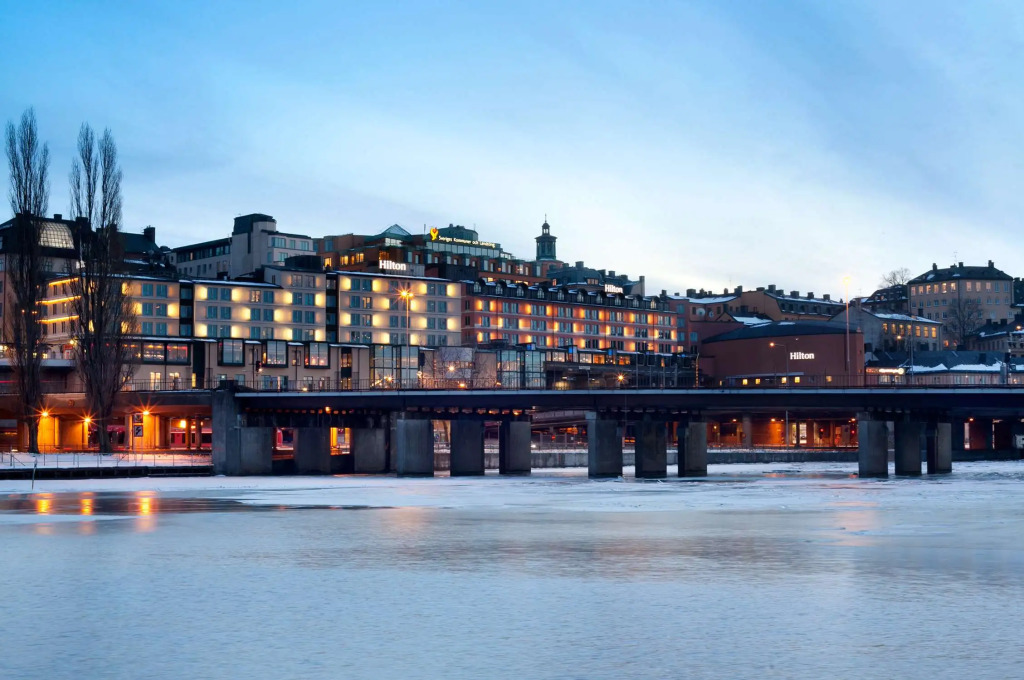
Hilton Stockholm Slussen
Within walking distance of the city centre, near Slussen, the Nobel Museum and Riddarholmen Church, with a sauna, a massage room and a restaurant serving local cuisine.
View on TRVL ↗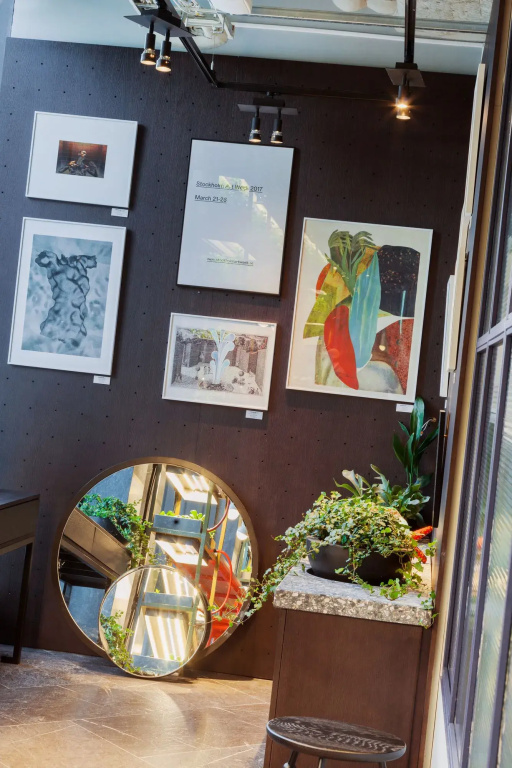
Hobo Stockholm
Near the city centre, close to the Royal Swedish Opera, the King's Garden and Sergels Torg, with a bar, a restaurant and a café.
View on TRVL ↗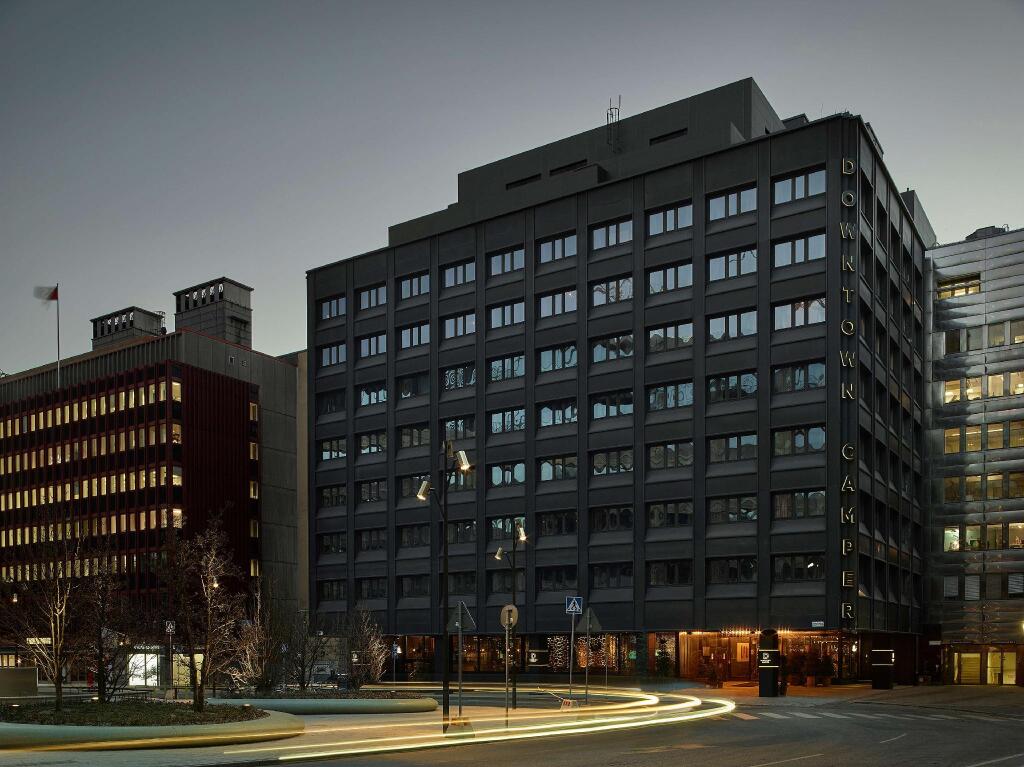
Downtown Camper by Scandic
Within walking distance of the centre, near Sergels Torg, T-Centralen and the Royal Swedish Opera, with a sauna, a spa centre and a table tennis area.
View on TRVL ↗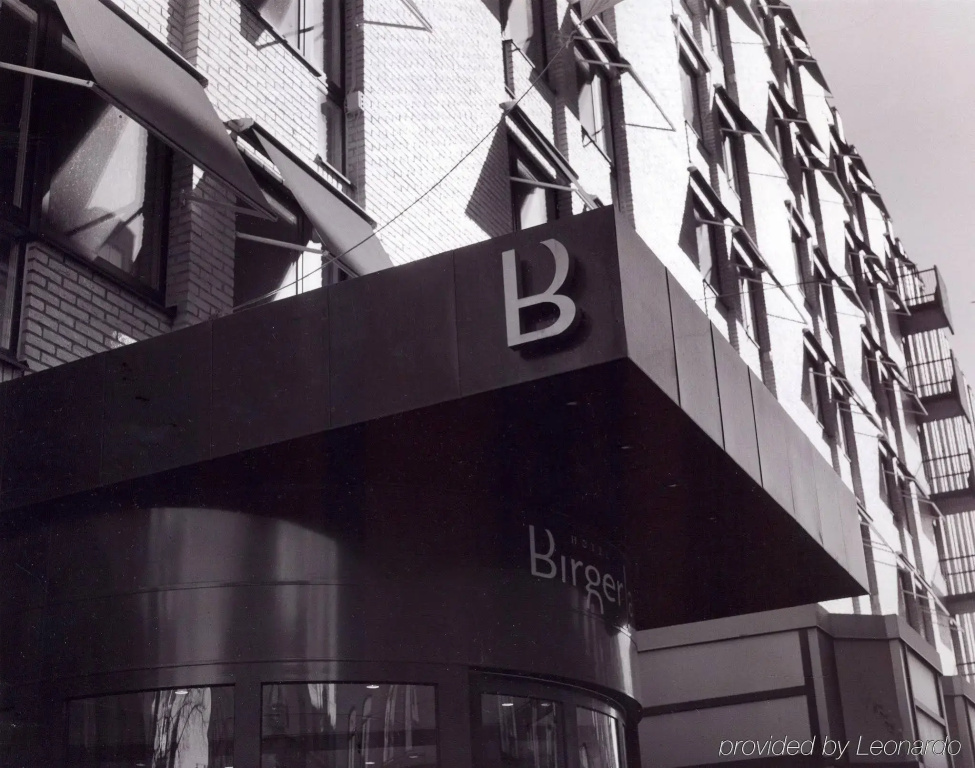
Hotel Birger Jarl
Near the city centre, close to Rådmansgatan, Sergels Torg and Östermalm's market hall, with a sauna, a bar and a café.
View on TRVL ↗The Essence
Stockholm is at its best when you follow its rhythm. Take a ferry to Djurgården for the Vasa and Skansen, ride the metro just to see the stations, stop twice a day for fika, and give a summer day to the archipelago or a December evening to candles, saffron buns and a Christmas market. It is a city of water and light, and whichever season you choose, it will make you want to see the other one.