
Milan keeps its finest moments slightly above eye level. Walk out onto the cathedral roof and you are among marble spires, with the gilded Madonnina above you, the mountains and skyscrapers on one side and the city on the other. Back on the ground, the city moves at a brisk pace: trams rattle past nineteenth-century arcades, shop windows change with every season of the fashion calendar, and at about seven in the evening the whole place pauses for a drink.
It rewards a little planning. Book the Last Supper well ahead, give a morning each to the Duomo and Brera, and keep the evenings for the canals or the bars of Isola. Then take a train north and let Lake Como fill a day of its own.
The Areas
Milan's quarters are linked by a quick metro; choose by the evening you want.
- Duomo and the Galleria — the historic heart around the cathedral, the Galleria Vittorio Emanuele II and La Scala, with the fashion streets of the Quadrilatero a short walk away. Best for first visits and short stays, when every sight should be close.
- Brera — cobbled lanes, ivy on the façades and small piazzas around Palazzo Brera, home of the Pinacoteca and the Braidense National Library. Piazza del Carmine fills with outdoor tables, and Via Fiori Chiari has a small antiques market on the third Sunday of the month. For art lovers and couples.
- Navigli — the quarter of the Naviglio Grande and the Naviglio Pavese, the canals that meet at the Darsena, the old river port. Bars line the water, the largest antiques market in the city runs along the Naviglio Grande on the last Sunday of each month, and the Tortona design district and MUDEC are close by. For evenings out.
- Isola — once a working-class neighbourhood cut off from the rest of the city, now a place of low-rise streets, street art, artisan workshops and bakeries, with an after-work crowd along Via Borsieri. For travellers who like a local feel.
- Porta Nuova — the new skyline beside Isola and Garibaldi station, with Piazza Gae Aulenti, the Bosco Verticale and the BAM park. Reached on the M5 at Isola or Zara or the M2 at Garibaldi FS. Good for business stays and early trains to the lakes.

What to See and Do
Start with the Duomo. The Veneranda Fabbrica that still looks after it was founded by Gian Galeazzo Visconti in 1387, and the cathedral is built of pink-hued white marble from the Candoglia quarry. It is 158 metres long, with 135 spires, and you need a ticket to go in. Below the parvis, excavations for the M1 metro uncovered the remains of the ancient baptistery where, the city's tourism office notes, St Ambrose baptised St Augustine.
Then go up. Climb 251 steps, or take the lift, to some 8,000 square metres of roof terraces, the largest walkable roof on any Gothic cathedral in the world. The gilded Madonnina stands 108.5 metres above the square, and by long custom, when a new building in the city rises higher, a copy of her is placed on its summit. Tickets and timed entries are sold on the official site, ticket.duomomilano.it.
Next door, the Galleria Vittorio Emanuele II, designed by Giuseppe Mengoni in the nineteenth century, is the city's covered living room. Every shop sign is gold lettering on black, as the original design required, and under the central octagon you can follow the old custom of spinning your heel three times on the mosaic bull for luck. Walk through to Piazza della Scala. La Scala was built in just two years, between 1776 and 1778; its museum is open daily from 09:30 to 17:30 for €12, and when there is no rehearsal or performance you can look into the auditorium from the boxes.
In Brera, the Pinacoteca holds masterpieces by Raphael, Caravaggio and Mantegna. It is open Tuesday to Sunday from 08:30 to 19:15, with last entry at 18:00, and a €20 Grande Brera ticket also gives entry to the newly reopened Palazzo Citterio on the same day or the following six days. At the Castello Sforzesco, the courtyards are free, and the museums inside hold Michelangelo's last, unfinished work, the Pietà Rondanini.
For the modern city, take the metro to Porta Nuova. Piazza Gae Aulenti, designed by César Pelli and inaugurated on 8 December 2012. Close by, the Bosco Verticale carries thousands of trees, shrubs and plants on its balconies; you cannot go inside, but a walk around its base and through the BAM park, an open-air library of plants, makes a good hour.

The Last Supper and Lake Como
Leonardo painted the Last Supper between 1494 and early 1498 on the wall of the refectory of Santa Maria delle Grazie. It is not a true fresco but a painting on dry plaster, which let him work slowly and make changes, and it measures 460 by 880 centimetres. Reservations are mandatory for every ticket, including free ones. A full ticket costs €15 for visitors aged 25 and over, €2 for those aged 18 to 25, and is free under 18. Visits last 15 minutes, for groups of up to 40 at a time, from Tuesday to Sunday between 08:15 and 19:00. Tickets are released in three-month batches; those for September to December 2026 went on sale on 23 June, so book the moment your dates are set, on the official channels linked from cenacolovinciano.org. Arrive at least 30 minutes before your slot. Metro: Conciliazione or Cadorna.
Lake Como makes the easiest day out. Trains reach Como San Giovanni in about 40 minutes, and Como Lago, on the waterfront, also has trains to Milan. From the lakeside, the Brunate funicular climbs to the village above the town in about seven minutes.
The lake boats are run by Navigazione Laghi. A ship and fast service runs the length of the lake from Como to Colico, and a ferry links Bellagio, Cadenabbia, Varenna and Menaggio in the middle of the lake. The slow boats have open decks; the hydrofoils are quicker and stop less often. Timetables change with the season, and the 2026 autumn timetable runs from 5 October to 1 November. Be at the ticket office about 20 minutes before departure; where a pier has no office, you can buy on board at no extra cost. Distances are long, so two or three villages make a full day. For the middle of the lake, direct trains from Milano Centrale reach Varenna in about an hour.

What to Eat and Drink
Milanese cooking is built on butter, rice and slow stock. Risotto alla milanese is made with onion, butter and rice cooked in beef stock, finished with butter and Parmesan, and coloured gold with saffron; by tradition it is eaten with a spoon. Ossobuco, braised veal shank, often arrives with it. The cotoletta alla milanese is a veal chop on the bone, dipped in egg, coated in breadcrumbs and cooked in clarified butter; a breaded veal loin appears in a document as early as 1148.
The aperitivo is a city ritual. From around 19:00 to 21:00, bars serve a drink with snacks, though it is a snack and not a free dinner. Camparino in Galleria has served the Milanese aperitivo since 1915, and was the first bar to serve Campari and soda. The Negroni Sbagliato was born at Bar Basso, when the owner reached for spumante instead of gin. For sunset, the Darsena fills with spritzes and small plates.
For a quick lunch near the Duomo, the panzerotti at Luini, on Via Santa Radegonda, have drawn queues for generations. At Christmas, look for panettone, born in Milan and eaten across Italy from early December to Epiphany.
Getting There and Around
Malpensa airport lies about 45 kilometres from the centre. The Malpensa Express reaches Cadorna in about 40 minutes, and Milano Centrale in about an hour via Porta Garibaldi, each roughly every 30 minutes; buy your ticket before boarding, online, in the app or at the station, as tickets are not sold on the train. Linate, about 7 kilometres away, is linked to San Babila in the centre by the M4 metro in about 15 minutes, at the ordinary fare.
The ATM network has five metro lines, M1 to M5, plus trams and buses. A single ticket costs €2.20 and is valid for 90 minutes, a 24-hour pass €7.60 and a three-day pass €15.50; children under 14 travel free. You can also tap a contactless card or phone at the gates: tap in and tap out on the metro, and from the fourth trip in 24 hours you are charged no more than the €7.60 daily cap. Contactless does not work on Trenord trains, including those to Como. The M1, M2 and M3 run from about 05:30 to 00:30, the M4 from 06:00 and the M5 from 05:40 to midnight.
When to Go
Milan works in every season. Women's Fashion Week runs from 23 February to 1 March 2027 and men's from 15 to 19 January 2027, and the September edition returns each autumn; hotel prices rise in those weeks, so book early or plan around them. Winter can be cold and foggy, with temperatures around freezing, but it is also the city at its most festive. On 7 December, the feast of Sant'Ambrogio, La Scala opens its season, as it has since 1951, with screenings across the city, and the Oh Bej Oh Bej Christmas market gathers around the Castello Sforzesco. The Galleria is lit from late November to Epiphany, the sales start in January, and at Carnival Milan keeps its own Fat Saturday. On the lake, the boats run a summer timetable from July to early October, then shorter autumn and winter ones.
Good to Know
Most museums close on Mondays, so keep that day for the Galleria, the canals and the Castello courtyards; the La Scala museum is open daily. The Pinacoteca di Brera and the Last Supper both have free first Sundays, but both still need a reservation, and Last Supper free tickets go on sale online at noon on the Wednesday before. Hotels charge a tourist tax per person per night, set by the type of accommodation. The InfoMilano office at Piazza Duomo 14 is open daily from 10:00 to 18:00. Lake boats can be suspended in bad weather, so check the day's notices before you set out.
Our Picks
- To seeThe Last Supper
Leonardo's wall painting in the refectory, seen in 15-minute slots of up to 40 people; book the moment tickets are released.
- To seeDuomo rooftop terraces
251 steps or a lift to a forest of marble spires, the largest walkable roof on a Gothic cathedral.
- To seePinacoteca di Brera
Raphael, Caravaggio and Mantegna, with a ticket that also opens the newly restored Palazzo Citterio.
- To seeMuseo Teatrale alla Scala
Open every day, with a look into the great red and gold auditorium from the boxes when the stage is quiet.
- To walkNaviglio Grande
Follow the canal from the Darsena past Vicolo dei Lavandai, with its old stone washbasins; on the last Sunday of the month, the antiques market lines the water.
- To walkBosco Verticale and BAM
Towers planted with trees, and a park of themed gardens beneath them; finish with a drink on Via Borsieri in Isola.
- To drinkCamparino in Galleria
The home of the Milanese aperitivo since 1915; the standing bar opens from the morning.
- To eatAntica Trattoria della Pesa
A historic trattoria since 1880 serving risotto alla milanese and ossobuco; closed on Sundays.
- To eatLuini
Panzerotti to take away, Monday to Saturday from 10:00 to 20:00.
Where to Stay
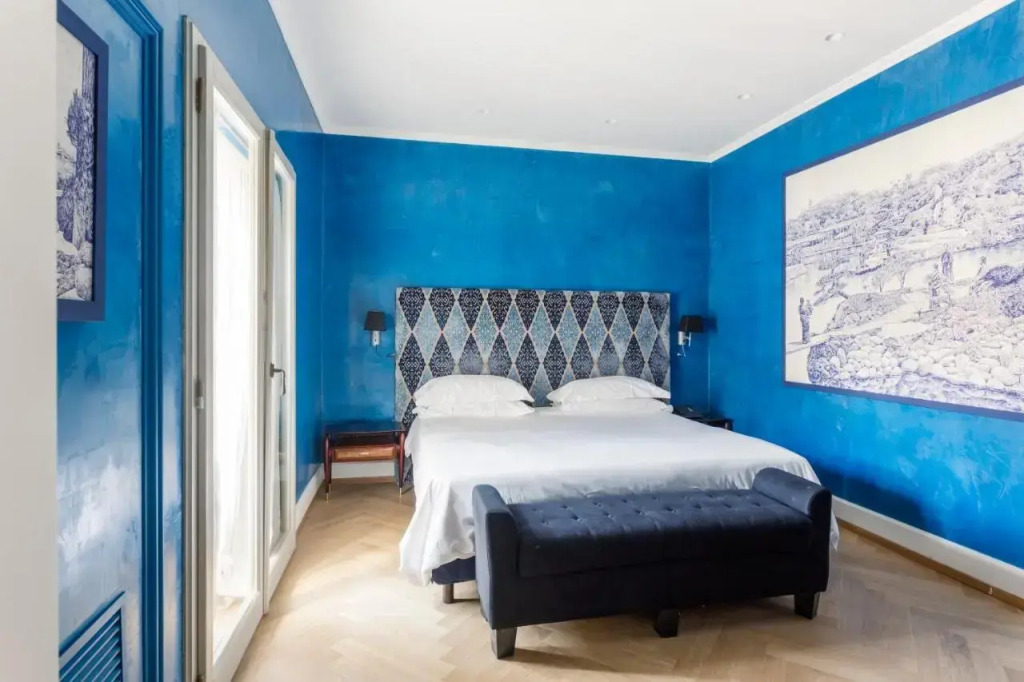
Galleria Vik Milano
In the city centre, with the Galleria Vittorio Emanuele II and Milan Cathedral close by.
View on TRVL ↗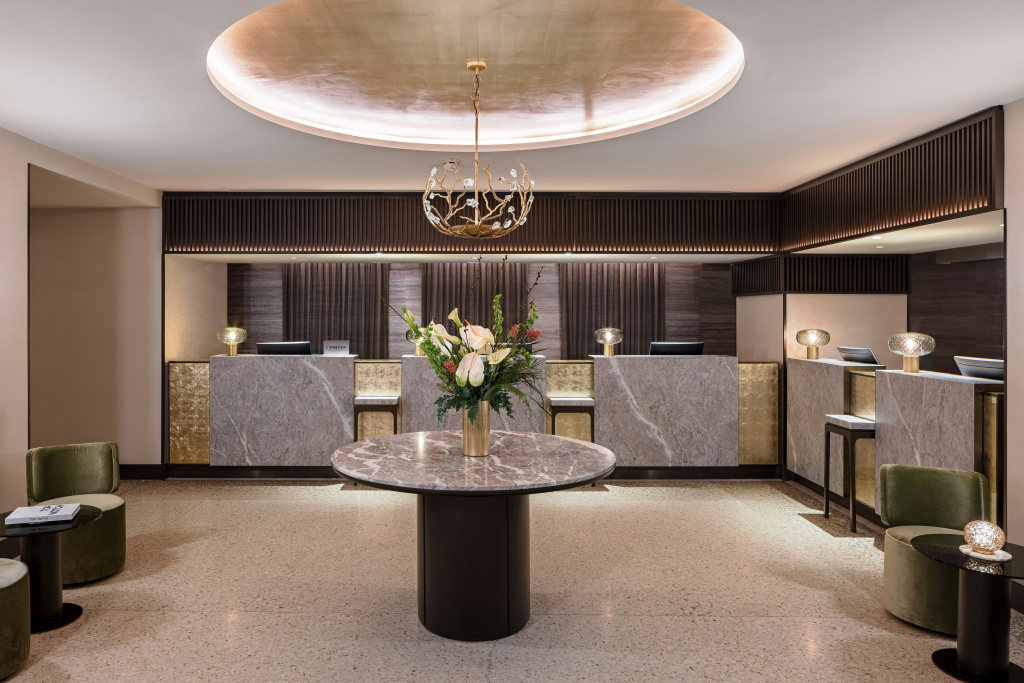
Rosa Grand Milano
1 km from the city centre, with the Royal Palace, Milan Cathedral and Cathedral Square nearby.
View on TRVL ↗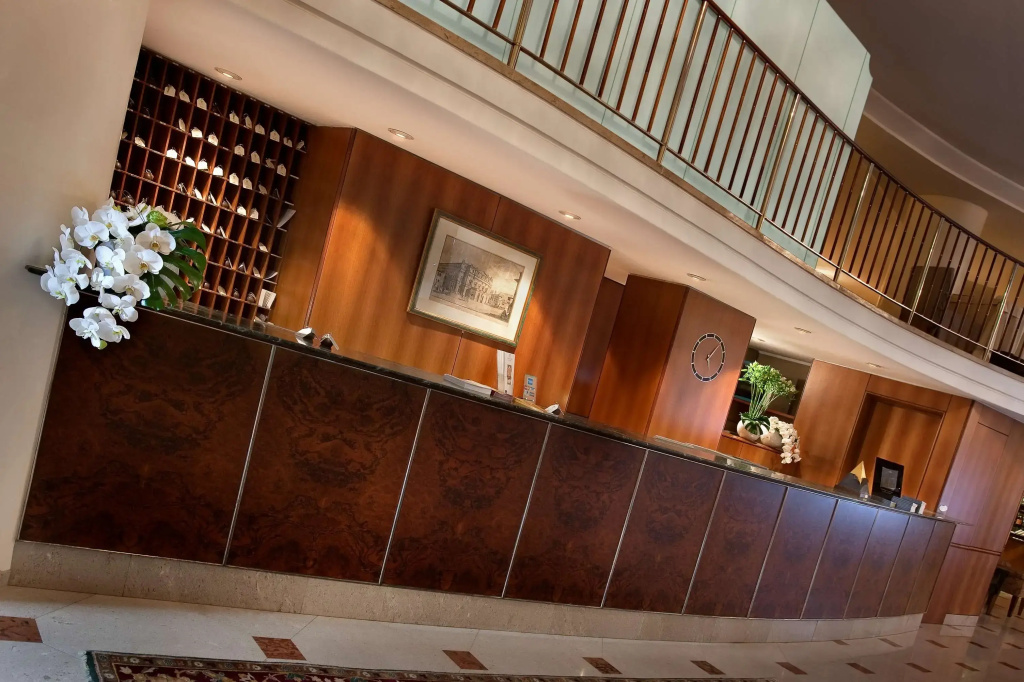
Hotel Cavour
Minutes away from the city centre, with Turati, the Galleria d'Arte Moderna and Villa Reale nearby.
View on TRVL ↗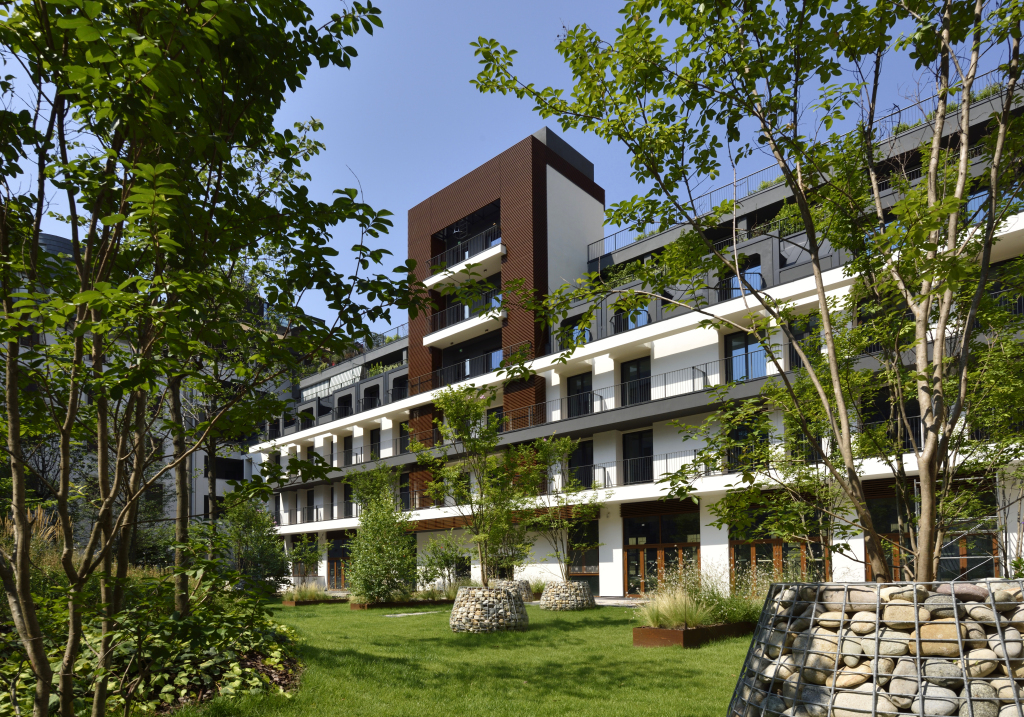
Milano Verticale |
In walking distance from the city centre, close to Piazza Gae Aulenti, Garibaldi FS and the Cimitero Monumentale.
View on TRVL ↗The Essence
Milan gives the most to those who book a little and wander the rest. Reserve your fifteen minutes with Leonardo and your hour among the spires, then let the days fill themselves: a morning in Brera, a risotto eaten with a spoon, a Campari at the Galleria as the lights come on, an evening by the canals. And when the city has had its turn, catch an early train to Como and watch the lake open out from the deck of a slow boat.