
Stand at Pile Gate early in the morning and Stradun runs straight ahead of you, the shops and houses on either side rebuilt in one Baroque sweep after the earthquake of 1667. Above, the walls run for 1,940 metres around the whole Old Town, sixteen towers and three fortresses linked by a path you can walk, the sea on one side and the roofs of the Old Town on the other.
Dubrovnik rewards the traveller who mixes the stone city with the water around it. Spend the mornings inside the walls, the afternoons swimming off Lapad or wandering Lokrum among the peacocks, and the evenings over Pelješac red and a plate of black risotto. It is a small city with a short distance between everything, and it changes character with the seasons: grand and busy in summer, unhurried and local from late autumn to spring.
The Areas
Most of Dubrovnik's sights are packed inside and just outside the walls, while the hotels and swimming spots spread west along the Lapad peninsula. Buses link every neighbourhood with the Old Town, so where you stay is mostly a question of mood.
- Old Town — the walled city between Pile Gate in the west and Ploče Gate in the east, closed to traffic and threaded by Stradun. Best for first-timers who want to step out of the door into the sights, though it is the busiest part of the city by day.
- Pile — just outside the western gate, beside Fort Lovrijenac and the main tourist information centre. Handy for buses (lines 1A, 1B and 3 stop here) and for walking straight into the Old Town.
- Ploče — east of the walls, home to Banje beach and its views of the walls and Lokrum, with the Lazareti cultural centre on Frana Supila. Good for swimmers who still want to walk into town.
- Gruž — the port district about 2.5 kilometres north-west of the Old Town, with the main bus station, the ferry and cruise harbour and a daily market of produce and fish. Practical for island hopping and early departures, and home to the former TUP factory, now a creative hub.
- Lapad and Babin Kuk — the leafy peninsula west of Gruž, about 3.5 kilometres from the Old Town, with a car-free promenade, pebble beaches and many of the city's hotels. Suits families and anyone who wants a beach holiday with the old city a bus ride away (line 6 to Lapad, line 7 to Babin Kuk).

What to See and Do
Start with the walls, ideally as soon as they open. They reached their present extent in the mid-13th century and kept growing until 1660, when the last bastion, St Stephen's, was finished; in places they rise 25 metres. The walk takes in sixteen towers, three fortresses and six bastions, and the ticket also covers Fort Lovrijenac, the detached fortress on a 37-metre rock outside Pile Gate. Above its gate is carved Non bene pro toto libertas venditur auro, "Freedom is not sold for all the gold", and in July and August it becomes a stage for the Dubrovnik Summer Festival, Hamlet above all. Buy tickets at the entrance or in advance from the official webshop of the Society of Friends of Dubrovnik Antiquities; a ticket is good for one circuit, with no re-entry, and children under seven go free.
Back at street level, the Rector's Palace, once the seat of the Rector of the Dubrovnik Republic, now holds the Cultural History Museum. A single ticket costs €15, but the combined ticket for ten city museums and galleries, at €20 and valid for seven days, also covers the Maritime Museum, the archaeological exhibitions in Fort Revelin and the Museum of Modern Art; museum ticket offices take cards only. On Stradun, the Franciscan Monastery keeps a Romanesque cloister and a pharmacy established in 1317, one of the oldest still working anywhere. Sponza Palace, a 16th-century customs house and mint, now houses the Memorial Room of the Dubrovnik Defenders; go early, before it fills.
For the view of it all, the Dubrovnik Cable Car climbs 778 metres of cable to an upper station 405 metres above the sea on Mount Srđ in about three and a half minutes. A return ticket costs €30 for adults and €8 for children aged four to twelve. It has run since 1969; this year it is open until the end of November (closing at 17:00, with maintenance closures on 10, 11 and 20 November) and closed from December to March. There is a restaurant at the top for a coffee with the Old Town spread out below.

Islands and Day Trips
Lokrum lies about ten minutes by boat from the Old Port and is almost all forest: woodland covers about 90 per cent of the island. Benedictines were here by 1023, the French began a fortress in 1806 that Austria later enlarged, and in 1859 the island was bought by Archduke Maximilian of Habsburg, who landscaped it and most likely brought the peacocks that still strut its paths. The €30 ticket includes the reserve entrance and the return boat from the Luža office in the Old Port; arriving by water taxi does not reduce the fee. Bring a swimsuit: the island has four bathing spots reached only by sea, including the spot known as the Dead Sea.
Cavtat, 18 kilometres south, is the ancient Epidaurus, from which, the story goes, the refugees came who founded Dubrovnik; in the days of the Republic it was the second port after the city itself. Today it is a calm harbour town on the Rat peninsula, with the Račić family mausoleum and the house of the painter Vlaho Bukovac to visit. Libertas bus 10 runs there every 30 minutes, and regular boats run from the Old Town as well.
North-west, the Pelješac peninsula is the region's red wine country and Ston its gateway. The Walls of Ston, begun in 1333 and originally some seven kilometres long, join the town's two centres, with the Koruna fort in Mali Ston and the Veliki Kaštel beside the salt pans; tickets come from the same society that runs Dubrovnik's walls. Mali Ston is the home of the malostonska kamenica, the local oyster, and March is its month, celebrated with an Oyster Day when boats and farms open to visitors. Closer to the city, the Elaphiti islands of Koločep, Lopud and Šipan are a relaxed day by boat from Gruž; on Lopud, rent a bike or a kayak, or walk up to the Franciscan monastery for the view.

What to Eat and Drink
Dubrovnik eats from the sea. Look for grilled squid, octopus salad and black risotto on every waterfront menu, and for the slower dishes of the region: pašticada, beef braised in wine and spices and served with gnocchi; peka, meat or seafood cooked under a bell-shaped lid with potatoes, herbs and olive oil; cuttlefish with broad beans; and menestra. For dessert there is rozata, a rose-scented caramel custard, Dubrovnik's own take on crème caramel, and rozolin, a rose liqueur.
The oysters of Mali Ston are best eaten raw, with a few drops of lemon. Drink Pelješac reds, Dingač and Postup, both from the Plavac Mali grape, or Malvasija Dubrovačka, a white from the Konavle valley whose grape is said to go back to the 14th century. On a hot day, locals stretch red wine with water and call it bevanda. In October, the Good Food Festival fills the city with tastings, cooking classes and wine pairings, and the Gruž market, best in the morning, is where to see the season's produce and fish.
Getting There and Around
Dubrovnik Ruđer Bošković Airport is 22.5 kilometres from the city, about 30 to 35 minutes by road, though summer traffic can stretch that to an hour. The Platanus shuttle leaves about 30 minutes after every arrival and stops at Ploče Gate (about 30 minutes) and the Gruž bus station (about 35 minutes, 500 metres from the ferry port). It costs €10 one way or €15 return, the return valid for 15 days, and children under six ride free. Libertas public buses 11, 27 and 38 also serve the airport.
In town, Libertas runs the city buses. A single ride bought on the bus costs €2.50 and is cheaper from a kiosk; a 24-hour ticket costs €5.31. Lines 1A, 1B and 3 reach Pile, 6 goes to Lapad, 7 to Babin Kuk and 10 to Cavtat. The Old Town itself is car-free, and parking elsewhere is scarce, so a car is only worth having for Pelješac or Konavle. Boats run from the Old Port and Gruž to Lokrum, the Elaphiti islands and Cavtat. Inside the walls, carry rather than roll your suitcase; the residents will thank you.
When to Go
Summer is the season of the Dubrovnik Summer Festival, held every July and August, with theatre and music on open-air stages around the walls; it is also the warmest and busiest time. Late spring and early autumn are calmer, and October adds the Good Food Festival and, this year, the Lumiart light festival.
Winter is the quiet season, and a good one. From 1 November to 31 March the walls keep shorter winter hours but stay open every day except Christmas Day. The city's own festivals carry on: the Winter Festival brings lights, Christmas markets and concerts, and in early February Dubrovnik celebrates the feast of St Blaise, its patron saint, when the reliquaries of the cathedral treasury are carried through the streets. In recent years Lokrum has reopened in early February, with boats at weekends until April.
Good to Know
- Croatia has used the euro since 1 January 2023. Museum ticket offices take cards only.
- Cruise ships set the rhythm of Old Town days. Dubrovnik welcomed 423 cruise calls and 571,134 cruise passengers in the first nine months of 2026, and the schedule is planned almost two years ahead. Check the Port of Dubrovnik arrivals list and save the walls and Stradun for early mornings, evenings or quiet days.
- The Dubrovnik Pass bundles most Old Town museums with unlimited bus rides; it is sold in one-, three- and seven-day versions.
- The Pile tourist information centre is open daily, and Gruž has one too.
- The Old Town is a special traffic zone: only vehicles with permits may enter.
- Swimming is mostly from pebbles and rocks. Sveti Jakov, a pebble cove east of Ploče, is quieter than Banje.
Our Picks
- To seeCity Walls
1,940 metres of path, sixteen towers and the sea on one side; go at opening time, and keep the ticket for Fort Lovrijenac.
- To seeFort Lovrijenac
The fortress on a 37-metre rock outside the walls, and in summer the festival's stage for Hamlet.
- To seeRector's Palace
The seat of the old Republic, now the Cultural History Museum; the €20 ten-museum ticket covers it for seven days.
- To seeFranciscan Monastery
A Romanesque cloister and a pharmacy established in 1317.
- To seeDubrovnik Cable Car
Three and a half minutes up to 405 metres, and the whole city laid out below.
- To walkLokrum
Forest paths, Maximilian's gardens, peacocks and rocky swims, with the boat included in the €30 ticket.
- To walkPetka Hill
The tourist board's viewpoint over the peninsula and the coast.
- To swimSveti Jakov
A pebble cove that is quieter than the beaches closer to town.
- To drinkD'Vino Wine Bar
Croatian wines by the glass and in tasting flights, with Mediterranean platters.
- To eatGruž market
Fresh produce, fish and local goods every day; go in the morning.
Where to Stay

Hotel Lero
Close to Bellevue and Boninovo beaches and the Gruž market, with a bar, restaurant, spa, outdoor pool and a library.
View on TRVL ↗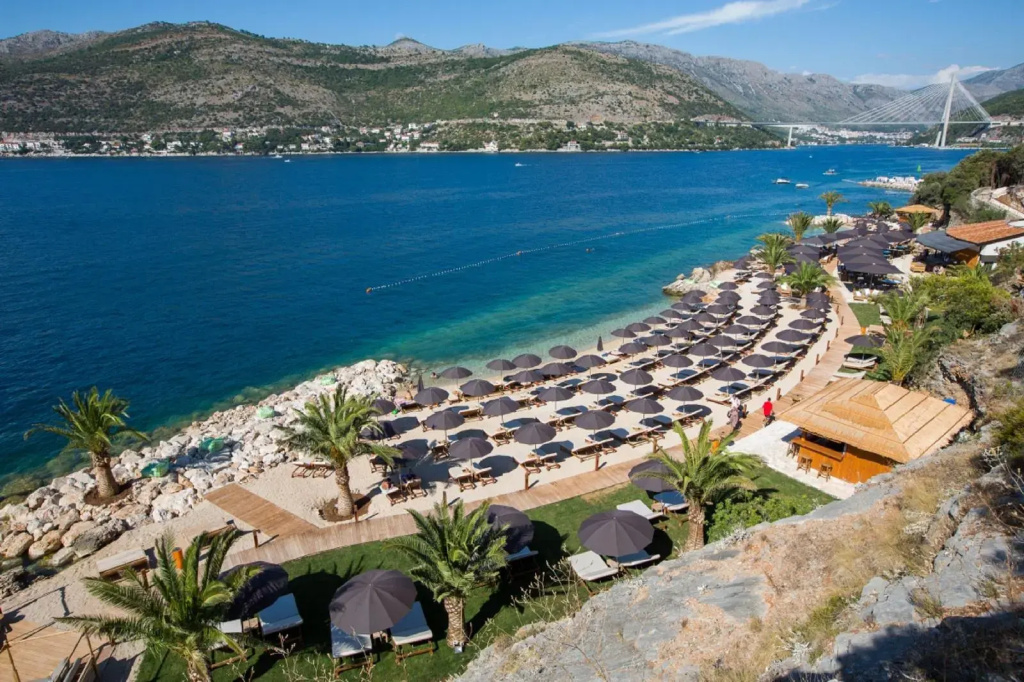
Valamar Lacroma Hotel
Within walking distance of the city centre, near Neptun beach, with indoor and outdoor pools, a spa and a diving club.
View on TRVL ↗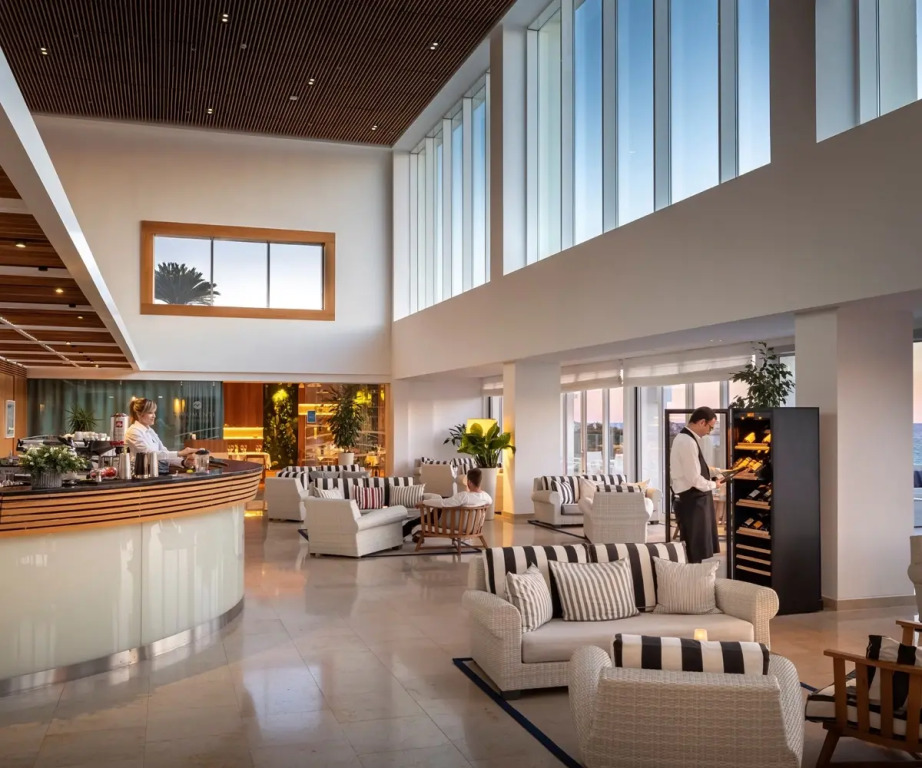
President Hotel
A sophisticated but very comfortable hotel beside its own private beach, with indoor and outdoor pools, a spa and a children's playroom.
View on TRVL ↗The Essence
Dubrovnik is best taken slowly and in layers: the walls at first light, a swim off the rocks at noon, a boat to Lokrum or a drive to the oyster beds of Mali Ston, and Stradun again in the evening. Come in the shoulder months or in winter and the city gives itself back to its people, and to you, with festivals, quiet streets and a glass of Plavac Mali waiting at the end of the day.