
New York is easier to love once you stop trying to see all of it. The city is made of neighbourhoods, and each one keeps its own rhythm: delis that have been slicing pastrami on the Lower East Side since the 1880s, an old elevated freight line in Chelsea that became a park, a Saturday food market on the Williamsburg waterfront, a bar on the Upper East Side where a pianist starts playing at dusk. Base yourself well, tap your card at the subway gate, and the rest of the map opens up.
This guide is for planning that kind of trip: where to stay in Manhattan and Brooklyn and who each area suits, which museums deserve a morning, what to eat, how to get in from JFK, LaGuardia or Newark, and what changes when the holiday season arrives. Prices are in US dollars and were checked on 16 October 2026; fares and opening hours move, so confirm before you go.
The Areas
Most first visits work best from Manhattan, with a day or two across the East River in Brooklyn. The subway links all of the areas below, so choose by mood rather than by distance.
- Midtown — Times Square, Rockefeller Center and MoMA are all here, and so are many of the city's hotels. Busy and bright at every hour. Suits first-timers, theatre-goers and anyone who wants the big sights within walking distance.
- Upper East Side — the Met on Fifth Avenue, Central Park on the doorstep and quieter streets of townhouses and galleries. Suits museum lovers, families and travellers who like to come home to calm.
- Chelsea and NoMad — the High Line runs above Chelsea's West Side, Chelsea Market sits on Ninth Avenue, and NoMad, just north of Madison Square, has a cluster of design-minded hotels. Suits walkers, food lovers and couples.
- Lower East Side — home to Katz's Delicatessen and Russ & Daughters, two of the city's oldest food counters, with the New Museum close by. Suits younger travellers and anyone who travels to eat.
- Lower Manhattan — the 9/11 Memorial, the Battery, the ferries to the Statue of Liberty and Staten Island, and the start of the Brooklyn Bridge walk. Suits history lovers and early risers who want the harbour close.
- Williamsburg — Brooklyn's waterfront neighbourhood across from Manhattan, home on Saturdays to Smorgasburg's open-air food market. Suits repeat visitors and those who prefer a neighbourhood feel to a skyline view from the window.
- Downtown Brooklyn and Prospect Park — good subway links into Manhattan, the Mark Morris Dance Center close by, and Prospect Park, designed by the same pair who made Central Park, a short ride away. Suits longer stays, families and runners.

What to See and Do
Start with the green spaces, because they explain the city. Central Park covers 843 acres in the middle of Manhattan; Frederick Law Olmsted and Calvert Vaux won the competition to design it in 1858. In Brooklyn, the same two designers laid out Prospect Park, 526 acres built between 1865 and 1895. On the West Side, the High Line turns a 1930s elevated freight railway into a 1.45-mile (about 2.3 km) park from Gansevoort Street to 34th Street; the first section opened in 2009. It is open 7am to 10pm from April to November and 7am to 8pm from December to March.
Walk the Brooklyn Bridge, completed in 1883, on its raised pedestrian promenade; with its approaches it runs to 6,016 feet, a little over 1.8 km. For the harbour, the Staten Island Ferry is free, runs 24 hours a day from the Whitehall Terminal at 4 South Street, and needs no ticket, so ignore anyone trying to sell you one. To land on Liberty Island and Ellis Island you need Statue City Cruises, the only authorised ferry, which leaves from The Battery after airport-style security; book ahead, and book the crown (162 steps, no lift) or pedestal separately.
The museums deserve whole mornings. The Metropolitan Museum of Art on Fifth Avenue charges $30 general admission for visitors from outside New York State, closes on Wednesdays and stays open until 9pm on Fridays and Saturdays. MoMA in Midtown is also $30 for adults, open daily from 10.30am to 5.30pm and until 8.30pm on Fridays. Downtown, the 9/11 Memorial plaza at 180 Greenwich Street is free and open daily from 8am to 8pm; the museum beneath it needs a ticket booked in advance.

The Holiday Season
From late November to early January the city puts on its winter clothes. Fifth Avenue's holiday window displays, including Saks' light show, begin on 20 November 2026. The Macy's Thanksgiving Day Parade marks its 100th edition on 26 November, running from West 77th Street and Central Park West down to Macy's Herald Square. The Rockefeller Center Christmas Tree is lit on 2 December and stays lit into early January.
Holiday markets fill Union Square, Columbus Circle and Grand Central, and the Holiday Shops at Bryant Park's Winter Village add skating to the shopping. Fifth Avenue becomes an Open Street on 13 December, and the year ends with the ball drop in Times Square on New Year's Eve and the midnight run in Central Park. It is the busiest and most expensive time to visit, so book rooms early and expect queues on the big days.

What to Eat and Drink
New York's food runs from the oldest counters to the newest stalls. Katz's Delicatessen has been on Ludlow Street since 1888 and is still the place for house-smoked pastrami. Around the corner on East Houston Street, Russ & Daughters has sold bagels and lox since 1914; take a number at the counter, or head to their Brooklyn café.
For grazing, Chelsea Market at 75 Ninth Avenue opens its concourse from 7am to 10pm. Smorgasburg, which began in Brooklyn and calls itself the largest weekly open-air food festival in the country, sets up on Saturdays from 11am to 6pm at Marsha P. Johnson State Park in Williamsburg and on Sundays at Breeze Hill in Prospect Park, with a newer Friday-to-Sunday market by Central Park West.
For an evening drink, Bemelmans Bar at The Carlyle on the Upper East Side is known for the murals Ludwig Bemelmans painted on its walls, with a pianist from 5.30pm and a jazz trio from 9pm. A music cover of $20 to $35 a person applies once the music starts, and the bar asks guests to dress for the occasion.
Getting There and Around
Three airports serve the city. From JFK, the AirTrain ($8.75, tap any contactless card) runs to Jamaica and Howard Beach, where you change to the subway; at Jamaica you can also take the Long Island Rail Road, where a CityTicket within the city costs $5.25 off-peak and $7.25 at peak times. A yellow taxi from JFK to Manhattan is a flat $70, plus surcharges (including $5 on weekdays from 4pm to 8pm), tolls and tip.
From LaGuardia, the Q70 LaGuardia Link bus is free and connects Terminals B and C with the subway at Jackson Heights–Roosevelt Avenue and 74 St–Broadway. Taxis from LaGuardia run on the meter plus a $5 surcharge. From Newark, in New Jersey, take the AirTrain to the rail station and an NJ Transit train to New York Penn Station: $17.25 for an adult, about 30 minutes, AirTrain included. Buy the ticket in the NJ Transit app to avoid a $5 on-board charge. A taxi from Newark is metered plus a $20 surcharge and tolls.
In the city, the subway and local buses cost $3 a ride: tap a contactless bank card, phone or OMNY card at the gate. Since 4 January 2026, once you have paid $35 in seven days with the same card or phone, the rest of that week's rides are free. MetroCards can no longer be bought, and express buses cost $7.25.
If you plan to drive, note congestion pricing: cars entering Manhattan south of and including 60th Street pay $9 at peak times with an E-ZPass (5am to 9pm on weekdays, 9am to 9pm at weekends). Taxi passengers pay $0.75 a trip in the zone and app-based rides $1.50. For a city visit, the subway and your own feet are simpler.
When to Go
Spring and autumn are the easy seasons: spring brings flowering parks, street festivals and the start of baseball, autumn brings crisp days and street trees turning colour. Summer is hot and sunny, best for rooftops, beaches and outdoor events, while winter is colder, sometimes snowy, with skating rinks and short days. Atlantic storms mostly affect the region between August and early November, though major hits are rare.
For the holiday season, aim for the weeks between Thanksgiving and New Year, and book early. For lower prices and fewer queues, January and February are quieter once the tree comes down; the Rockefeller Center tree stays up until around 9 January 2027.
Good to Know
- ESTA — visitors from Visa Waiver Program countries need an approved ESTA before flying. Apply only on the official site, esta.cbp.dhs.gov, at least 72 hours before travel; the fee is around $40, and approval usually lasts two years or until your passport expires.
- Tipping — in restaurants, 18 to 20 per cent of the bill for table service; at bars, at least $1 a drink; in taxis, 15 to 20 per cent; hotel housekeeping, $3 to $5 a day. Check the bill first: large groups sometimes have a gratuity added.
- Sales tax — 8.875 per cent is added at the till on most goods and services, so listed prices are not the final price.
- Cards — tap to pay works on the subway, buses and AirTrain JFK; use the same card or phone every time so the weekly fare cap counts.
- Free things — the Staten Island Ferry, the High Line, Central Park and the 9/11 Memorial plaza cost nothing.
Our Picks
- To seeThe Metropolitan Museum of Art
Some of the world’s great collections, open late on Fridays and Saturdays; closed Wednesdays.
- To seeMoMA
Modern art in the middle of the city, open until 8.30pm on Fridays.
- To walkThe High Line
A 1.45-mile park on an old elevated rail line, free to enter.
- To walkBrooklyn Bridge
The pedestrian promenade of an 1883 bridge, best early in the day.
- To seeStaten Island Ferry
A free harbour crossing that runs around the clock.
- To eatKatz’s Delicatessen
House-smoked pastrami from a deli that dates to 1888.
- To eatRuss & Daughters
Bagels and lox since 1914; take a number at the counter.
- To eatSmorgasburg
An open-air food market on Saturdays and Sundays.
- To drinkBemelmans Bar
Murals by Ludwig Bemelmans and live jazz from 9pm.
Where to Stay

The Carlyle
Close to Gagosian Uptown, with a bar, restaurant, café, spa, sauna and fitness centre.
View on TRVL ↗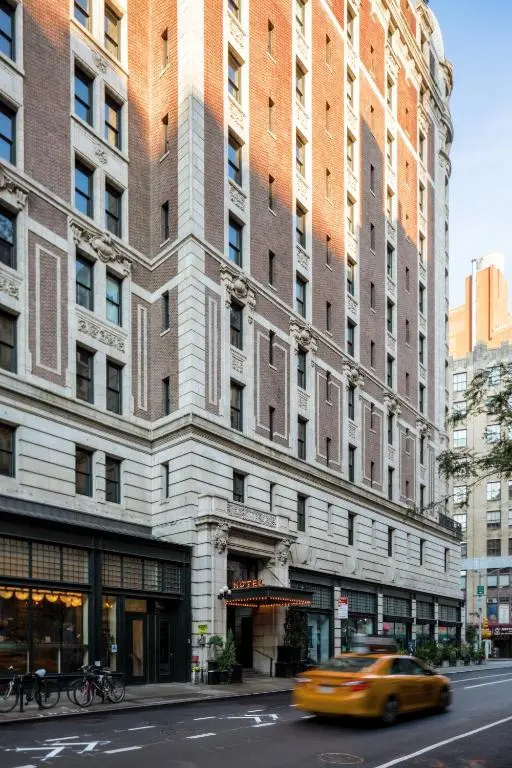
Ace Hotel New
Near 28th Street, Marble Collegiate Church and The Jazz Gallery, with a bar, restaurant and gym.
View on TRVL ↗
PUBLIC
Within walking distance of the New Museum, with a bar, restaurant, café and gym.
View on TRVL ↗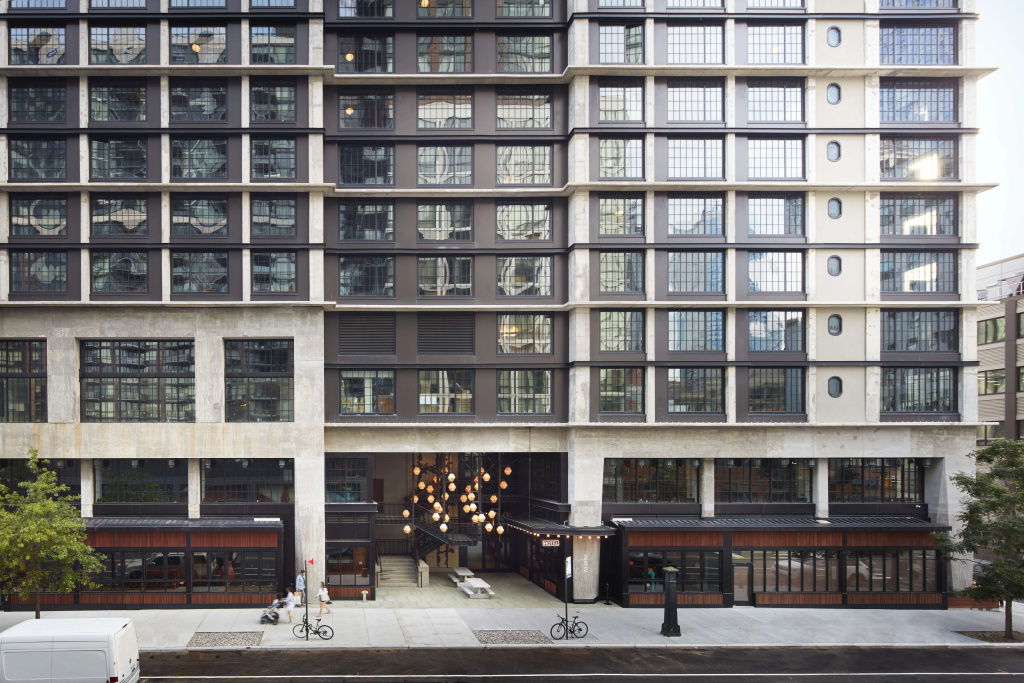
Ace Hotel Brooklyn
Near Hoyt–Schermerhorn Streets and the Mark Morris Dance Center, with a bar, restaurant and fitness centre.
View on TRVL ↗The Essence
New York rewards the traveller who picks a corner and lives in it for a few days: a bagel on Houston Street in the morning, a walk above Chelsea on the High Line, an evening in a museum that stays open late, a free ferry across the harbour at dusk. The city is too big to finish, and that is its generosity. Every return trip finds a neighbourhood you missed the first time, and a reason to come back for the one you already know.