
Walk into the British Museum, the National Gallery or Tate Modern and nobody asks for a ticket. London keeps many of its greatest collections free to enter, which changes how you travel here: you can drop in for one room, leave for lunch, and come back on a Friday evening when the galleries stay open late. The city works the same way outdoors, with royal parks, riverside walks and markets that ask for nothing but time.
That generosity is the best way into a big, busy capital. Rather than racing between landmarks, pick a neighbourhood or two, let the river and the parks connect them, and eat where Londoners shop for food. A long weekend will not cover it all, and it does not need to; London rewards a second visit as much as a first.
The Areas
London is a city of distinct neighbourhoods, and where you stay shapes the trip. Most visitors do best in or near the centre, within walking distance of a Tube line, and then explore outward.
- Covent Garden and Soho — the theatre heart of the West End. Covent Garden's Piazza was laid out by Inigo Jones in the 1630s as the first public square of its kind in the country, and the market building at its centre dates from the 19th century. Suits first-timers who want to walk everywhere and see a show.
- South Bank — the riverside promenade of the Queen's Walk runs past the Southbank Centre, Tate Modern and Shakespeare's Globe towards Tower Bridge, with Borough Market close by. Good for anyone who likes to start and end the day by the Thames.
- Kensington — the museum quarter of South Kensington, built around the legacy of the Great Exhibition of 1851, sits beside Hyde Park and Kensington Gardens. Calm, green and well suited to families.
- Shoreditch — east of the City, with street art around Brick Lane, Old Spitalfields Market and the Sunday flower market on Columbia Road. Suits younger travellers and anyone who prefers late nights to grand hotels.
- Marylebone — a village-like grid north of Oxford Street, with Marylebone High Street, Daunt Books and the Wallace Collection, and Regent's Park at the top. Suits couples and repeat visitors who want a quieter base close to everything.
- Bloomsbury and Holborn — the literary quarter around the British Museum and the leafy squares of Lincoln's Inn Fields, central and easy for museum days.

What to See and Do
Start with the free collections. The British Museum in Bloomsbury is free to enter and opens late on Fridays, from 17.00 to 20.30, when you should book a free timed slot. The National Gallery on Trafalgar Square is open daily from 10am to 6pm and until 9pm on Fridays, with general admission free; some exhibitions are charged.
On the South Bank, Tate Modern fills the former Bankside Power Station, designed by Sir Giles Gilbert Scott and converted by Herzog & de Meuron; it opened to the public on 12 May 2000. Entry to the collection is free, and the museum stays open until 21.00 on Fridays and Saturdays. Walk in through the Turbine Hall, then head down to the Tanks.
In South Kensington, the name Albertopolis refers to the cluster of museums and institutions built with the profits of the Great Exhibition of 1851. The Victoria and Albert Museum, the Natural History Museum and the Science Museum are all free to enter; book a free timed slot online for the Natural History Museum. The V&A is open daily from 10am to 5.45pm.
Two smaller houses repay the detour. Sir John Soane's Museum, at 13 Lincoln's Inn Fields, is the architect's home, left as it was at his death in 1837 and crowded with his collection; entry is free, Wednesday to Sunday, 10am to 5pm. In Marylebone, the Wallace Collection at Hertford House, Manchester Square, is free and open daily from 10am to 5pm; look for Fragonard's The Swing and the armoury.
For theatre, the Official London Theatre Ticket Booth, home of TKTS, sits in the Clocktower building on the south side of Leicester Square and sells same-day tickets for West End shows.

Parks and Markets
London has eight Royal Parks, among them Hyde Park, Kensington Gardens, The Regent's Park and Primrose Hill, St. James's Park, The Green Park, Greenwich Park, Richmond Park and Bushy Park. Hyde Park's pedestrian gates open from 5am to midnight; the Serpentine lies at its centre, and the Serpentine Lido is home to what the Royal Parks call the oldest swimming club in Britain. Speakers' Corner, at the park's edge, has a long history as a place of free speech.
In The Regent's Park, Queen Mary's Gardens opened to the public in 1932, and the rose garden, completed in 1934, is planted in 85 single-variety beds; the roses peak in early June. Climb Primrose Hill just north of the park for one of London's famous views.
From Little Venice, the towpath of the Regent's Canal runs about 3.2 km, or 2 miles, to Camden: an easy walk past moored narrowboats. Further north, Hampstead Heath has bathing ponds; the Kenwood Ladies' Pond, the Highgate Men's Pond and Parliament Hill Lido are open all year, and outside summer all sessions are drop-in.
Markets are where London shows its appetite. Borough Market, right next to London Bridge station, has around 1,000 years of history and has stood on its current site since 1756; it is open Tuesday to Sunday and closed on Mondays. On Sundays, Columbia Road in the East End turns into a flower market from about 8am until about 3pm. Old Spitalfields Market in Shoreditch is open seven days a week, and Brick Lane, a few minutes away, is lined with murals that change constantly.

What to Eat and Drink
London's food is a map of the world, and the markets are the best place to start. Borough Market reinvented itself from 1998 as a retail market for high-quality food; graze the stalls, then eat by the river. Behind the Royal Festival Hall, the Southbank Centre Food Market runs on Fridays, Saturdays and Sundays with street food from lunch onwards.
For a meal that is distinctly London, St. JOHN at 26 St John Street, Smithfield, opened in October 1994 in a former bacon smokehouse and is widely credited with popularising nose-to-tail cooking; its roast bone marrow and parsley salad is a regular on the menu. St. JOHN's bakery has outlets including Bakery Arch on Druid Street, near Maltby Street, and Borough Corner on Borough High Street.
For breakfast with a queue that is part of the experience, Dishoom in Covent Garden, at 12 Upper St. Martin's Lane, serves Bombay comfort food all day from 8am on weekdays and 9am at weekends; most tables are kept for walk-ins. In the East End, Beigel Bake at 159 Brick Lane has been run by the Cohen family since 1974 and is known for its hot salt beef bagels, served around the clock.
Getting There and Around
From Heathrow, the Heathrow Express reaches Paddington in about 15 minutes from Terminals 2 and 3, slightly longer from Terminals 4 and 5. The Elizabeth line takes about 28 to 30 minutes to Paddington and runs on to central stations such as Tottenham Court Road; the Piccadilly line is the slowest and cheapest option, about 50 minutes to Piccadilly Circus. From Gatwick, the Gatwick Express runs non-stop to Victoria in about 30 minutes, and the Stansted Express reaches Liverpool Street in about 45 to 50 minutes.
In town, tap in and out with a contactless bank card or an Oyster card on the Tube, buses and trains. Fares are capped each day, so you never pay more than the daily cap for the zones you travel in; the cap resets at 04:30. Much of central London is also very walkable: the riverside walk from Westminster to Tower Bridge is about 4 km and takes one to two hours.
When to Go
London is a year-round city. Summer is the warmest season, with average highs of about 24°C in July at Kew, and late spring brings long evenings and the roses in Regent's Park. Autumn is mild, with average highs of about 16°C in October and 12°C in November, and the city changes mood as the Christmas lights go up: in 2026, Carnaby Street switches on on 4 November, Regent Street on 5 November and Covent Garden, with its tree in the Piazza, on 12 November. Winter is cool, with average highs of about 9°C in January; snow falls only occasionally. Rain is possible in any month, so pack a light waterproof whatever the season.
Good to Know
Visitors from Europe, the USA, Australia, Canada and several other countries usually need a UK Electronic Travel Authorisation (ETA) before travelling; it costs £20, and each traveller, including children, needs their own. Apply only on the official GOV.UK service.
The museums are free, but popular ones work best with a free timed slot booked online, especially at weekends. Restaurants often add a service charge, usually 12.5%, so check the bill before tipping again. Many market traders are cashless; carry a card or phone. And note the days: Borough Market closes on Mondays, Sir John Soane's Museum on Mondays and Tuesdays.
Our Picks
- To seeBritish Museum
Free to enter, and calmer on a Friday evening, when it opens until 20.30 with a free timed slot booked ahead.
- To seeTate Modern
A power station turned art museum, free to enter and open until 21.00 on Fridays and Saturdays.
- To seeSir John Soane's Museum
An architect's house left as it was in 1837, free, Wednesday to Sunday.
- To seeThe Wallace Collection
Fragonard's The Swing and a celebrated armoury in a free townhouse museum, open daily.
- To eatSt. JOHN
The restaurant that made nose-to-tail cooking famous, in a former bacon smokehouse; book ahead.
- To eatBorough Market
Around 1,000 years of trading, now a market for good food; come hungry, Tuesday to Sunday.
- To eatDishoom
Bombay comfort food from breakfast on, with most tables kept for walk-ins.
- To walkRegent's Canal
About 3.2 km of towpath past narrowboats, an easy morning walk.
- To seeColumbia Road Flower Market
Sunday mornings only, from about 8am, when the whole street fills with flowers.
- To swimHampstead Heath Ponds
Open-water swimming all year in the Ladies' and Men's ponds, drop-in outside summer.
Where to Stay

Sea Containers London
Within walking distance of the centre, close to Oxo Tower Wharf, Gabriel's Wharf and Bankside Gallery, with a spa, sauna and fitness centre.
View on TRVL ↗
The Marylebone Hotel
Minutes from the city centre and close to Marylebone High Street, with a restaurant, bar, café, spa and indoor pool.
View on TRVL ↗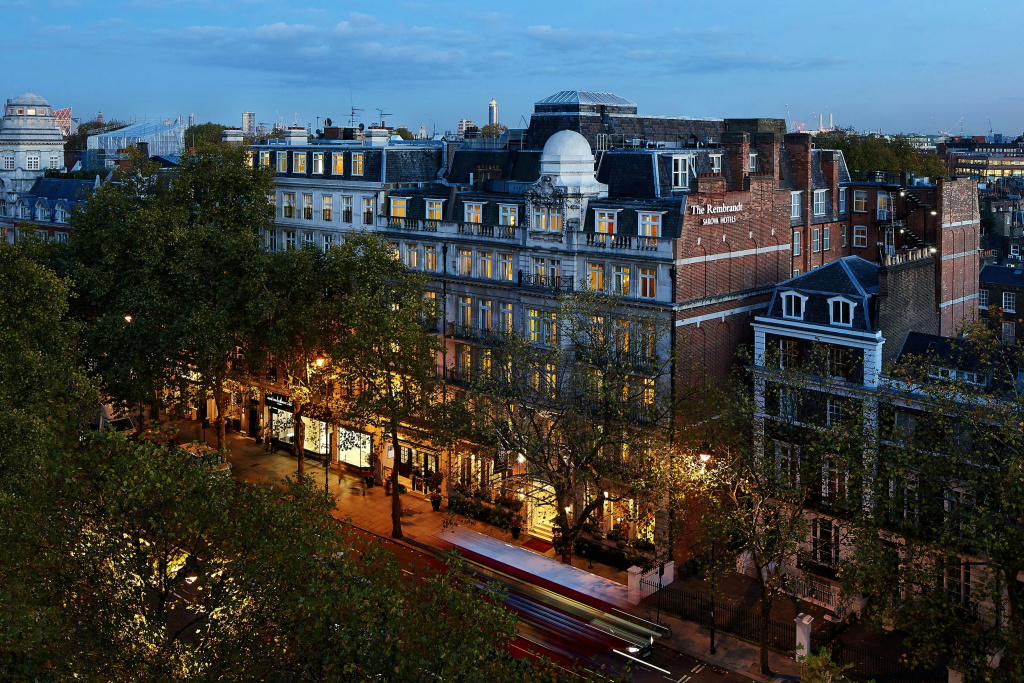
The Rembrandt
A hotel near the Victoria and Albert Museum, with a restaurant, bar, spa and indoor pool.
View on TRVL ↗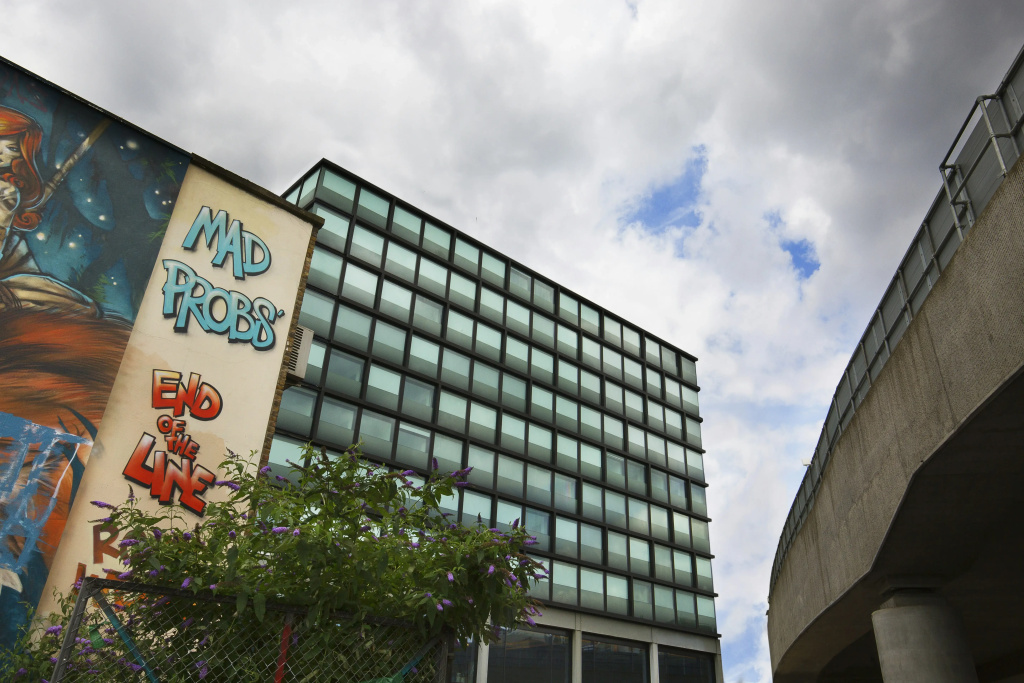
citizenM London Shoreditch
Close to Shoreditch High Street, Rivington Place and St Leonard's Church, with a bar, restaurant and café.
View on TRVL ↗The Essence
London is generous to the curious. Its great museums leave their doors open, its parks run for miles, and its markets have been feeding the city for centuries. Choose a neighbourhood, walk the river, spend a Friday evening among paintings and a Sunday morning among flowers, and finish with a plate of something you did not expect to love. The city will always have more to show you, and that is the best reason to come back.