
Buenos Aires keeps its own hours. Dinner starts late, the milongas fill up after midnight, and on Sunday the antique stalls of San Telmo spread out along the cobbles of Defensa Street. In between there is an opera house with some of the finest acoustics in the world, a café that has been pouring coffee on Avenida de Mayo since 1858, and a cemetery of marble vaults where Eva Perón lies among presidents and poets. It is a city of neighbourhoods, or barrios, each with its own pace, and it is at its best when you slow down to match it.
This guide is for planning that trip: which barrio suits you, what to see, where to find tango, how to eat at a parrilla, how to get in from Ezeiza or Aeroparque, and when to come. Remember that the seasons are reversed: spring runs from September to November. Prices are in Argentine pesos and were checked on 16 October 2026; they change often, so confirm before you go.
The Areas
The city is large, but most visitors spend their days in a handful of barrios in the north and centre, with the river on one side. The subte and buses link them, so choose by mood.
- Palermo Soho and Palermo Hollywood — Palermo Soho is the part of Palermo Viejo around Plaza Serrano, known for fashion, design shops, restaurants and bars; Palermo Hollywood took its name from the TV and radio producers who moved there in the mid-1990s and is now known for cafés and nightlife. The Palermo Woods, the city's largest green area, are close by. Suits food lovers, night owls and first-timers who want to walk everywhere.
- Recoleta — elegant avenues, the Recoleta Cemetery on Junín Street, the Museo Nacional de Bellas Artes and the old Gran Splendid theatre, now a bookshop, on Avenida Santa Fe. Suits couples, museum lovers and anyone who likes grand architecture and a quieter evening.
- San Telmo — one of the oldest parts of the city, with cobbled streets, antique shops and the Sunday fair on Plaza Dorrego. Suits travellers who like history, markets and an old-world feel, and those who want to be close to the centre.
- La Boca and Caminito — the riverside barrio of painted walls, tango and the Boca Juniors stadium, La Bombonera. The tourist area is only a few blocks long. Best for a daytime visit rather than a base.
- Puerto Madero — the old docks, built between 1887 and 1897 and transformed from the 1990s into offices, hotels, lofts and restaurants, crossed by Santiago Calatrava's Puente de la Mujer. Suits business travellers and those who like modern hotels and waterfront walks.
- Belgrano — a largely residential barrio in the north, with leafy Belgrano R, the Barrancas de Belgrano park designed by Carlos Thays, the Museo Larreta and the city's small Chinatown. Subte Line D runs along Avenida Cabildo. Suits longer stays and repeat visitors who want to live like a local.

What to See and Do
Start in Recoleta. The Recoleta Cemetery opened on 17 November 1822 and covers 5.5 hectares; its 4,691 vaults stand above ground like a small city of marble, and 94 are protected as National Historical Monuments. Eva Perón is buried here, along with presidents such as Sarmiento, Mitre and Yrigoyen, Nobel laureates Luis Federico Leloir and Carlos Saavedra Lamas, and writers including Adolfo Bioy Casares and Victoria Ocampo. Check the current opening hours and admission fee before you go. A few blocks away, El Ateneo Grand Splendid occupies a theatre that opened in 1919 and became a bookshop in 2000; the boxes, the painted ceiling and the crimson stage curtains are still there, and there is a café where the stage used to be.
The Teatro Colón opened on 25 May 1908 with Verdi's Aida, and acoustician Leo Beranek's survey of conductors ranked it the best opera house in the world for sound. If you cannot get tickets for a performance, take the 50-minute guided tour. Tours run daily, apart from 1 May, 24, 25 and 31 December and 1 January, leaving every 15 minutes from 10am to 4.45pm; tours in English start at 11am, noon, 1pm and 3pm. General admission is 34,000 pesos. Buy at the box office on Tucumán 1171 or online through the theatre's website; cash and cards are accepted, foreign currency is not.
On Sunday, head to San Telmo. The Feria de San Pedro Telmo, an antiques fair founded in 1970, sets up on Plaza Dorrego at Humberto I and Defensa from 10am to 4pm, and the stalls, street musicians and performers spill along Defensa Street. It gets very crowded, so keep an eye on your belongings.
In La Boca, Caminito is a pedestrian lane of about 100 metres. After the railway closed in 1954, the painter Benito Quinquela Martín, who lived nearby, coloured the walls facing the old line, and the lane gave its name to the 1926 tango Caminito by his friend Juan de Dios Filiberto. Go by day, and take a bus or taxi rather than walking there. For art, MALBA, the Museum of Latin American Art, is in Palermo at Avenida Figueroa Alcorta 3415, open Wednesday to Monday and closed on Tuesdays. Nearby in the Palermo Woods are the Rose Garden, the Japanese Gardens and the Botanical Garden.

Tango: Milongas and Shows
Tango was born in the Río de la Plata among European immigrants, descendants of African slaves and local criollos, and in 2009 UNESCO added it to the Representative List of the Intangible Cultural Heritage of Humanity, shared by Argentina and Uruguay. In Buenos Aires it is still a social dance, and the place to see that is a milonga, a dance evening open to anyone.
Milongas come in two shapes. Matinée milongas begin in the early afternoon and finish around 8pm to 10pm. Night milongas start around 11pm, fill up at about 1.30am and can run until 5am or 6am. Many venues offer a class before the dance, which is the easiest way in for beginners; check the current schedule before you go, because nights and venues change. If you would rather watch, dinner shows start around dinner time and usually combine a meal, a performance, sometimes a short lesson and a few drinks. On Sunday evening there is often tango in the square in San Telmo.

What to Eat and Drink
The parrilla, the grill house, is the heart of eating out. Asado means beef cooked over the grill, and bife de lomo is the tenderloin; explain how you like your steak, because cooking terms do not translate neatly. Parrilla Don Julio, at Guatemala 4699 on the corner of Gurruchaga in Palermo Viejo, is open every day from 11.30am to 4pm and from 7pm to 1am; book online or by phone. Dinner in the city starts late, so a 9pm table is early.
Pour Malbec. It is Argentina's most widely planted red grape, Mendoza is its main producer, and Argentine Malbec is known for its deep colour and soft, fruity texture. For coffee and history, Café Tortoni at Avenida de Mayo 825 calls itself the oldest café in Buenos Aires; it opened in 1858 and is open every day from 8am to 9pm.
Getting There and Around
Most international flights land at Ezeiza (EZE), in the south-western suburbs; by road the trip takes about 30 to 45 minutes, or about an hour with traffic. Aeroparque Jorge Newbery (AEP), on the riverfront in Palermo, 2 km from downtown, handles domestic and regional flights. Tienda León runs coaches to its Terminal Pellegrini at Pellegrini 971: from Ezeiza about one hour, 16,500 pesos online; from Aeroparque about 30 minutes, 7,500 pesos; between the two airports about 1 hour 20 minutes, 17,000 pesos. Book on its app, by phone or on WhatsApp. Local buses also serve both airports; from Aeroparque, bus 33 goes to Retiro, Plaza de Mayo and San Telmo. For a taxi, use a radio taxi with the meter running and the driver's ID visible; Uber also operates, but do not order one from a taxi rank.
In the city, the subte has six lines, A to E and H, and buses (colectivos) cover everything else. The SUBE card works on both: buy it at subte stations and kiosks, then top up at stations or kiosks. One card can be shared between several people on buses and the subte, but on trains each person needs their own. With SUBE, the second trip within two hours costs half and the third and later trips a quarter.
Since December 2024 you can also pay on the subte with a contactless credit or debit card, including cards issued abroad by the main networks, or with a phone or watch, at the dedicated turnstiles. The same card can pay up to ten trips a day and four an hour, and the SUBE connection discounts do not apply. Fares change often, so check the current price at the station. Avoid weekday rush hours if you can.
When to Go
Buenos Aires has four real seasons, the reverse of Europe's. Spring, from September to November, brings mild days around 23°C, cool nights and jacarandas in bloom, and it is the easiest time for walking. Autumn, from March to May, is similar but more changeable. Summer, from December to February, is hot and humid, with averages around 29°C, heat waves and thunderstorms; it is also the rainiest season. Winter, from June to August, has mild days around 17°C, cold nights and almost never any snow.
For long walks, outdoor cafés and the parks, aim for spring or autumn. Pack a light layer at any time of year: nights are noticeably cooler than days.
Good to Know
- Money — the currency is the Argentine peso. Exchange money at banks, such as Banco de la Nación at Ezeiza, or at exchange houses in the City banking district, and bring your passport. Carry your passport or another ID when paying by card, as shops may ask to see it.
- Cash — keep small notes for taxis, check the notes you are given, and do not accept torn or damaged ones.
- Foreign currency — some places, such as the Teatro Colón box office, take pesos and cards but not foreign currency.
- Late hours — restaurants fill up late in the evening and night milongas only get going after midnight, so plan an afternoon rest.
- Crowds — on busy subte trains and at the Sunday fair, keep your phone, wallet and SUBE card out of reach.
Our Picks
- To seeTeatro Colón
A 1908 opera house famous for its acoustics, with 50-minute tours in English four times a day.
- To seeRecoleta Cemetery
Marble vaults, 94 of them national monuments, and the resting place of Eva Perón.
- To seeMALBA
Latin American art, open Wednesday to Monday.
- To walkFeria de San Pedro Telmo
Antiques, music and street life every Sunday from 10am to 4pm.
- To walkCaminito
A short painted lane linked to Benito Quinquela Martín and a 1926 tango; go by day.
- To eatParrilla Don Julio
A classic grill house, open every day for lunch and late dinner; book ahead.
- To drinkCafé Tortoni
Coffee in the oldest café in the city, open since 1858.
Where to Stay
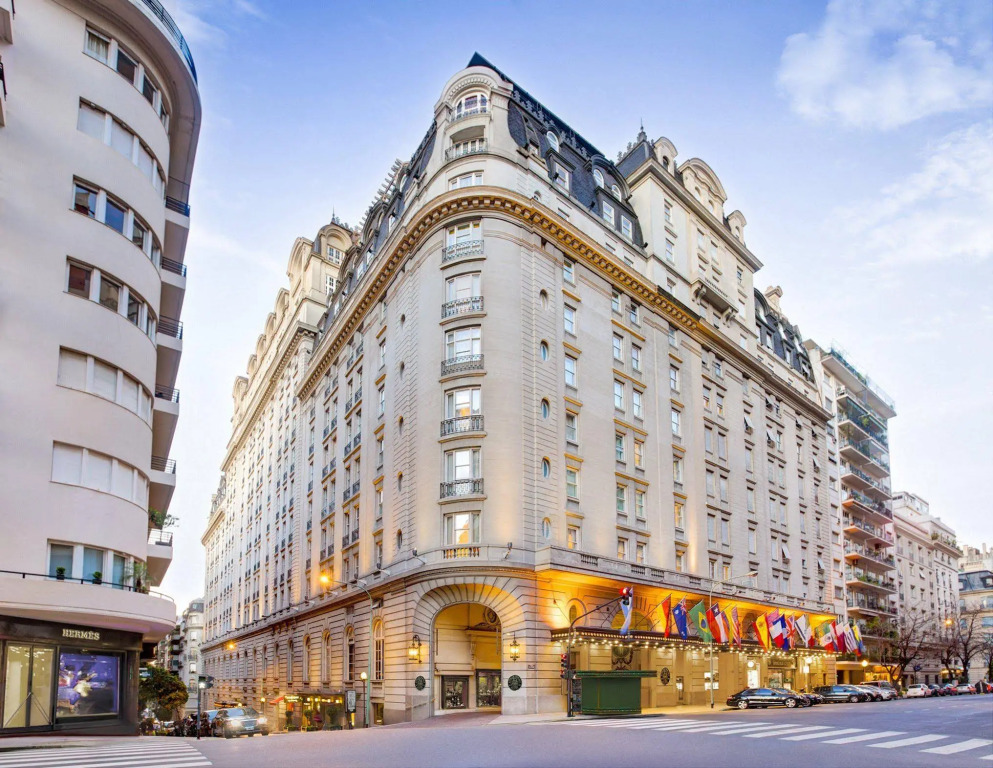
Alvear Palace Hotel
Near the Recoleta Cultural Center and the Museo Nacional de Bellas Artes, with a bar, restaurant, café, spa and indoor and outdoor pools.
View on TRVL ↗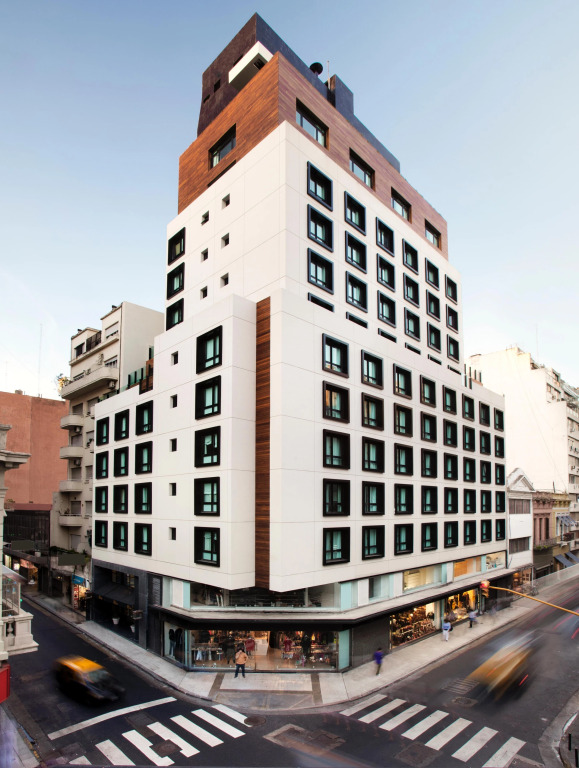
Hotel Pulitzer
Close to Galerías Pacífico and the Teatro Colón, with a bar, café, restaurant, fitness centre and pools.
View on TRVL ↗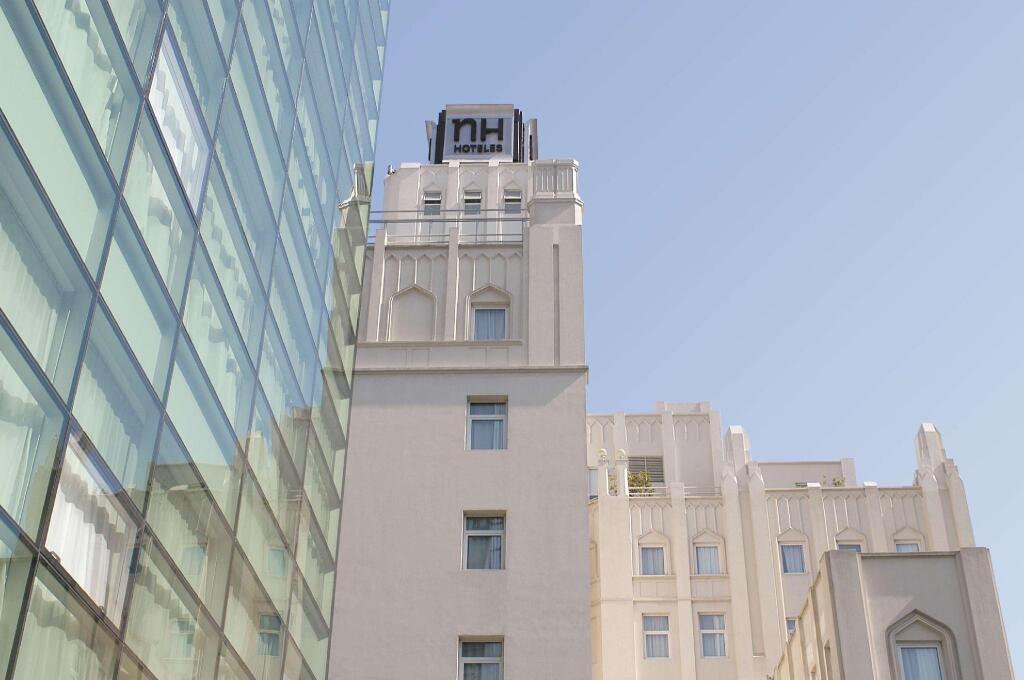
NH City Buenos
A walk from the Cabildo, Plaza de Mayo and Casa Rosada, with a bar, restaurant, spa and pool.
View on TRVL ↗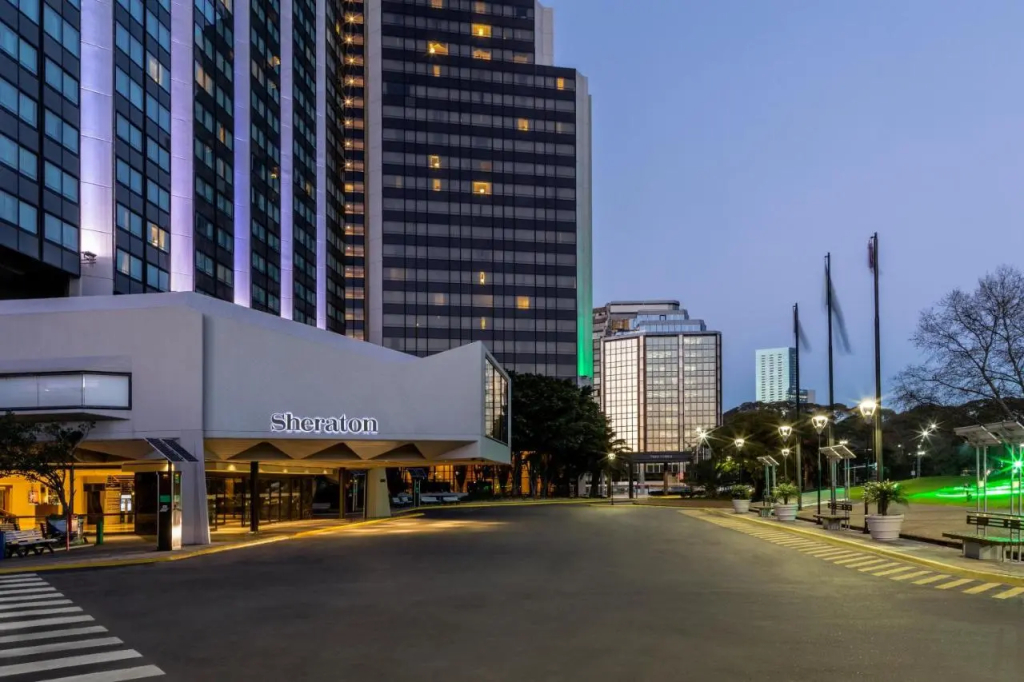
Sheraton Buenos Aires
Near Catalinas, Galerías Pacífico and the Costanera Sur Ecological Reserve, with a spa, pools, a restaurant and a bar.
View on TRVL ↗The Essence
Buenos Aires asks you to stay up a little later than usual and rewards you for it: a slow coffee on Avenida de Mayo, an afternoon among the vaults of Recoleta, a Sunday on the cobbles of San Telmo, a steak and a glass of Malbec at ten, and, if you are brave, a first dance at a milonga long after midnight. It is a city that lives as much in its cafés and dance halls as in its monuments, and once you have found its rhythm, you will want to come back to it.