
Toronto is best understood one street at a time. A Saturday that starts at 5am in a farmers' market, a streetcar ride along Queen Street, an afternoon among the shops and fruit stalls of Kensington Market, a ferry across the harbour to islands with beaches and bike paths, and the lights coming on in the Victorian brick lanes of the Distillery District. Around half of the people who live in the city were born outside Canada, and you can taste it on almost every block.
This guide is for planning that kind of trip: which neighbourhood suits you, what to see, how to reach the islands and Niagara Falls, what to eat, how to get in from Pearson and round the city on the TTC, and how the seasons change things. Prices are in Canadian dollars and were checked on 16 October 2026; fares, hours and timetables move, so confirm before you go.
The Areas
The TTC's subway and streetcars tie these areas together, so choose by mood. Downtown suits a short first visit; the neighbourhoods to the west, east and north suit a longer stay or a second trip.
- Downtown and the Financial District — centred on King and Bay, between Queen Street, Front Street, Yonge Street and University Avenue. Underneath it runs the PATH, a network of tunnels and walkways that links more than 70 buildings and several subway stations, which is useful in January. Suits first-timers, short stays and anyone who wants Union Station, the CN Tower and the ferry terminal within walking distance.
- Kensington Market — a multicultural neighbourhood of grocers, cafés, vintage shops and food counters, designated a National Historic Site of Canada in 2006. From May to October, the last Sunday of each month is a Pedestrian Sunday with performers and food stands in the street. Reach it on the 506 streetcar westbound from Queen's Park station. Suits food lovers and browsers.
- Queen West — the stretch of Queen Street west of Yonge, with independent shops, bars, Trinity Bellwoods Park, the murals of Graffiti Alley on Rush Lane and the restaurants of nearby Ossington Avenue. The 501 Queen streetcar runs its full length. Suits younger travellers, shoppers and night owls.
- Distillery District — the former Gooderham and Worts distillery, founded in 1832, now a quarter of more than forty Victorian industrial buildings with galleries, shops, cafés and bars. It is open 364 days a year. Suits couples and photographers, and anyone who likes an evening stroll.
- Yorkville — a former village between Bloor Street, Davenport Road, Yonge Street and Avenue Road, with Victorian-era houses, galleries, restaurants and the designer stores of Bloor Street. The Royal Ontario Museum, entered from Bloor Street West, is close by. Suits travellers who like museums by day and a smart dinner at night.
- The Annex — one of the city's older neighbourhoods, north of Bloor Street next to the University of Toronto, with houses from around 1880, bookshops and casual places to eat. Philosopher's Walk runs from the Royal Conservatory to the campus. Suits longer stays and readers.
- Leslieville — east of the Don River, with weekend brunch spots, restaurants and independent shops. Take the subway to Queen station and the 501 streetcar east. Suits repeat visitors, families and anyone who prefers neighbourhood life to towers.

What to See and Do
The CN Tower, completed in 1976, stands 553.33 metres tall. Lifts take you to the Main Observation Level at 346 metres; one floor down, at 342 metres, are the glass floor and an outdoor terrace. For $12 more you can go 33 storeys higher to The Top, at 447 metres, which on a clear day looks as far as Niagara Falls. Timed general admission for adults is $47, and tickets can be bought up to 30 days ahead. EdgeWalk, open since 2011, takes harnessed visitors around the outside of the main pod, 116 storeys up, and 360 Restaurant turns a full circle every 72 minutes.
The Royal Ontario Museum, at 100 Queen's Park beside Museum station, is the largest museum in Canada, covering art, world culture and natural history. It was open from 10am to 5.30pm through mid-October; the main floor has a free programme, and the third Tuesday of the month brings free evening hours. The Art Gallery of Ontario, on Dundas Street West in Grange Park, is known for its Canadian paintings and a large collection of Henry Moore sculpture; check hours and prices on ago.ca before you go.
If you plan several of the big sights, Toronto CityPASS covers the CN Tower and Ripley's Aquarium of Canada plus three of the ROM, the AGO, Casa Loma, the Toronto Zoo and seasonal City Cruises, used within nine days, for $134.96 plus tax for adults.

The Islands and Niagara Falls
The Toronto Islands, a chain of small islands in Lake Ontario, have beaches, cycling and walking paths and picnic spots, and they sit a short ferry ride from downtown. City ferries leave from the Jack Layton Ferry Terminal at 9 Queens Quay West, set back behind the Westin Harbour Castle. A return ticket costs $9.57 for adults, $6.15 for those aged 15 to 19 or 65 and over, and $4.51 for children aged 2 to 14. Buy online to use the express line at busy times; online tickets are valid until 31 December of the year you buy them.
Ferries run all year. From mid-April to mid-October there are three routes, to Centre Island, Hanlan's Point and Ward's Island. The winter timetable, which began on 14 October, runs to Ward's Island from 6.30am to late evening. The islands have long been a place of gathering and ceremony for the Mississaugas of the Credit First Nation and other Indigenous communities.
Niagara Falls makes an easy day out. GO Transit runs trains from Toronto to Niagara Falls all year round, seven days a week. At the falls, Journey Behind the Falls, open year-round at the Table Rock Welcome Centre, takes you about 125 feet down through tunnels in the rock to viewing portals and decks beside the Horseshoe Falls; admission is $33 for adults and $21.50 for children aged 3 to 12.

What to Eat and Drink
With so many people born elsewhere, Toronto eats widely. Chinatown, next door to Kensington Market, was established in 1878; Koreatown sits in Midtown, Little India and Danforth Greektown in the east end. The Michelin Guide now covers Toronto and the region, so there is a serious restaurant scene too.
Start with St. Lawrence Market on Front Street East. The South Market opens Tuesday to Friday from 9am to 7pm, Saturday from 7am to 5pm and Sunday from 10am to 5pm, and is closed on Mondays. On Saturdays the Farmers' Market in the North building opens from 5am to 3pm. It is the classic place to try the peameal bacon sandwich, cured pork loin in a roll that is the closest thing the city has to a signature dish.
Kensington Market is the place to graze across cuisines, while Queen West, Ossington and Leslieville fill up for brunch at weekends. In summer, patios and rooftop bars open across the city, and the Distillery District's cafés, bars and brewery spill out onto its lanes.
Getting There and Around
Most international flights land at Toronto Pearson. The UP Express train runs from the airport to Union Station downtown in 28 minutes, stopping at Weston and Bloor on the way; the adult one-way fare is $12.35, with lower fares for PRESTO card users. Billy Bishop City Airport, the city's second airport, handles shorter flights.
In the city, the TTC runs the subway, streetcars and buses. An adult fare is $3.30 whether you tap a PRESTO card or a contactless debit or credit card, phone or watch, and it includes free transfers within two hours of your first tap. Cash costs $3.35, exact change only, and covers one continuous one-way trip. A PRESTO day pass is $13.50. Children aged 12 and under ride free, and everyone aged 13 and over taps their own card. Bike Share Toronto has bikes at around 680 stations, available around the clock.
Streetcars are a pleasure in themselves: the 501 runs the length of Queen Street, and the 504 along King Street reaches St. Lawrence Market from King station.
When to Go
Summer is the season for patios, rooftop bars, island beaches and swimming, and for Pride in June. Days are long and warm, often humid, with average highs in the high twenties Celsius in July and August. In autumn, note that the island ferries move to their winter timetable in mid-October.
Winter is cold, with January averages below freezing, snow at times and short daylight hours, but the city keeps going: skating, the PATH underground, museums, and the Distillery Winter Village in the holiday season. For outdoor plans and the islands, aim for late May to September; for museums and lower prices, winter works well if you pack properly.
Good to Know
- eTA — visa-exempt visitors flying to Canada (except US citizens and US permanent residents) need an Electronic Travel Authorization. Apply on the Government of Canada's official site at canada.ca, where the fee is CA$7; most applications are approved within minutes, but apply before you book your flight.
- Tipping — in restaurants with table service, 15 to 18 per cent of the pre-tax bill is usual. Check first that a service charge has not already been added, especially for groups.
- Tax — Ontario's 13 per cent HST is added at the till to most prices.
- Cards — tap the same card or phone on the TTC each time so your two-hour transfer counts.
- Free things — Kensington Market's Pedestrian Sundays, Philosopher's Walk, the lanes of the Distillery District and the ROM's free main floor cost nothing.
Our Picks
- To seeCN Tower
The glass floor 342 metres up, and The Top for views towards Niagara Falls on a clear day.
- To seeRoyal Ontario Museum
Canada's largest museum, with free evening hours on the third Tuesday of the month.
- To seeArt Gallery of Ontario
Canadian painting and a large collection of Henry Moore sculpture.
- To eatSt. Lawrence Market
Food stalls Tuesday to Sunday and a farmers' market from 5am on Saturdays.
- To walkKensington Market
Grocers, vintage shops and food counters, car-free on the last Sunday of the month from May to October.
- To walkDistillery District
Victorian industrial lanes of the 1832 Gooderham and Worts distillery, with a winter village in the holiday season.
- To seeToronto Island ferry
A return trip for $9.57 to beaches and paths with the skyline behind you.
- To seeJourney Behind the Falls
Tunnels through the rock to portals beside the Horseshoe Falls, open all year.
Where to Stay
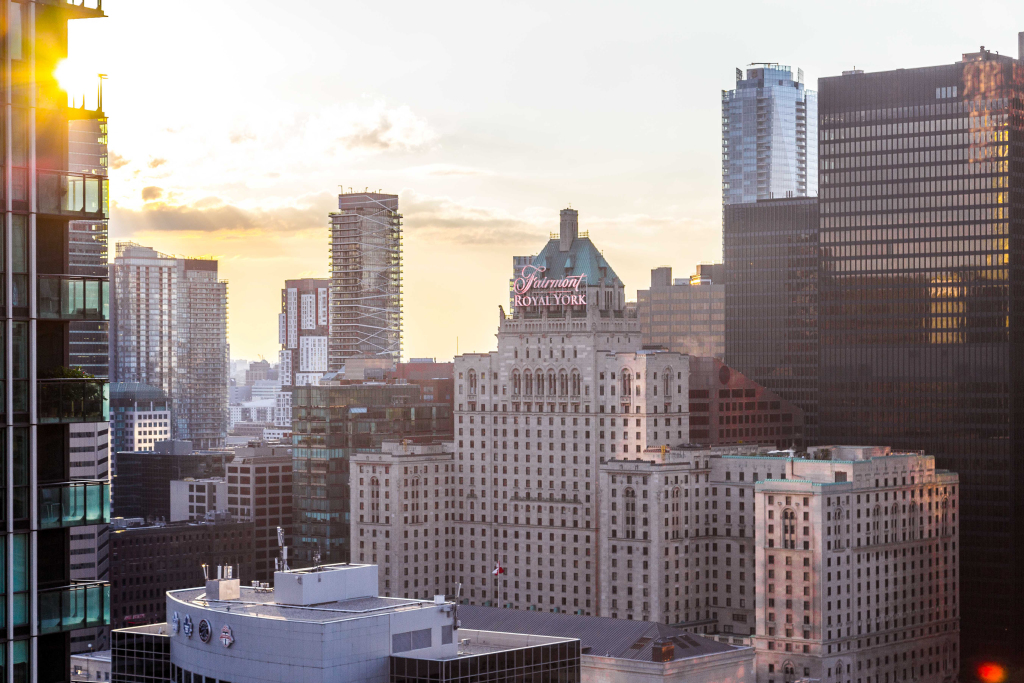
Fairmont Royal York
Near Union Station and the Hockey Hall of Fame, with a bar, restaurant, café, spa, sauna, pool and fitness centre.
View on TRVL ↗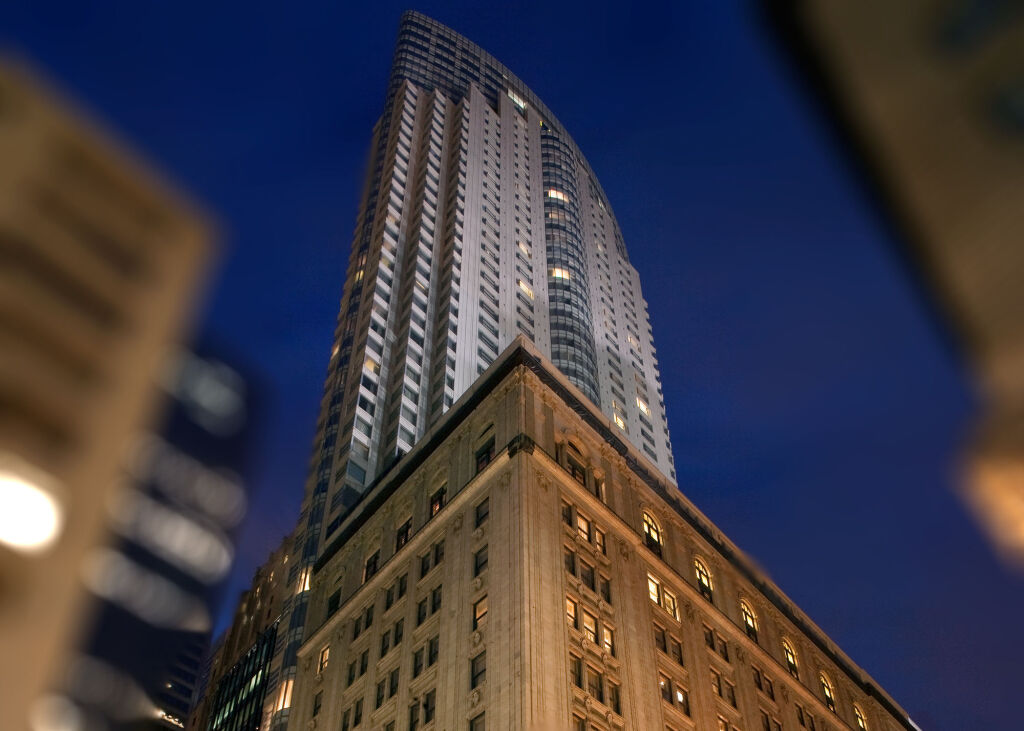
One King West
Within walking distance of St. Lawrence Market and the Hockey Hall of Fame, with a bar, restaurant, café, sauna and fitness centre.
View on TRVL ↗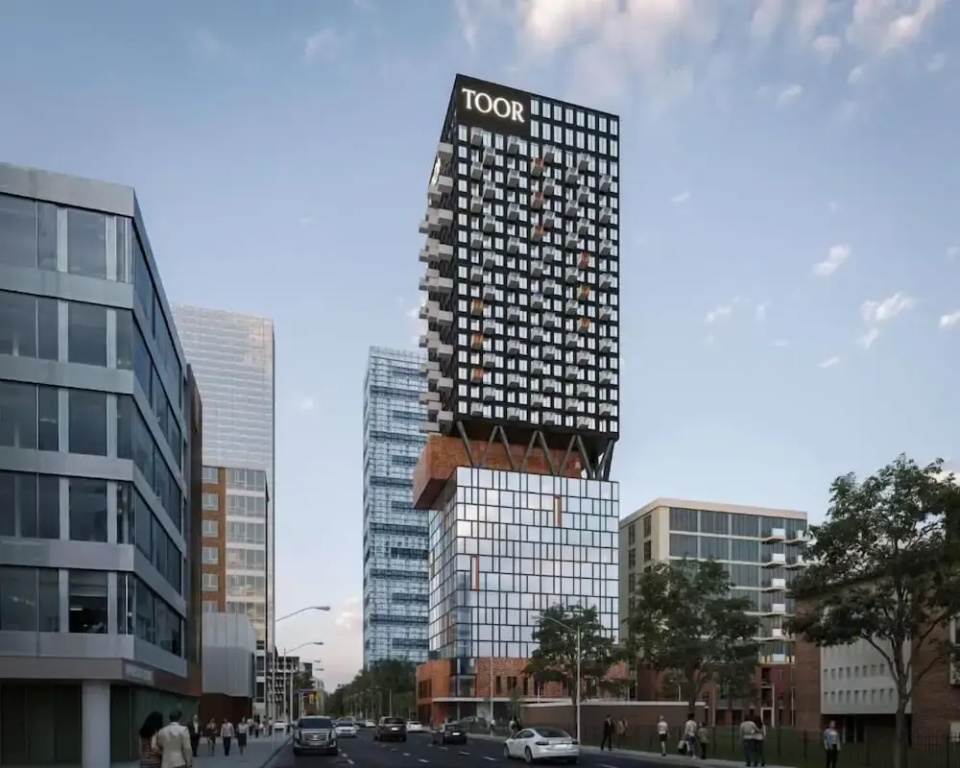
TOOR Hotel Toronto
Close to Sankofa Square and the Toronto Eaton Centre, with a bar, restaurant and fitness centre; pets are welcome.
View on TRVL ↗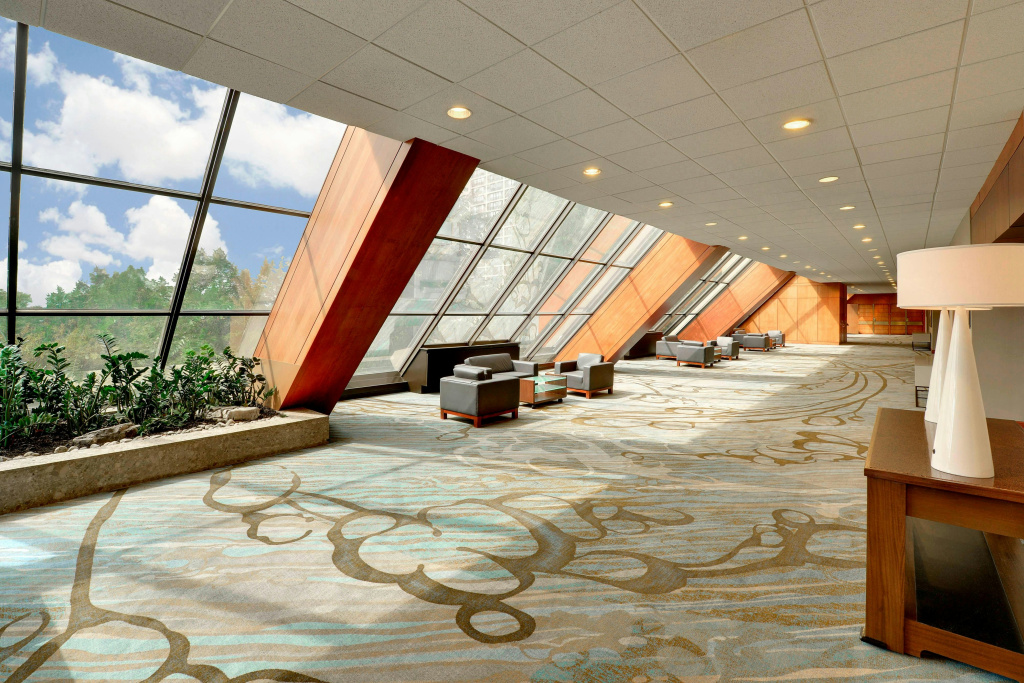
The Westin Harbour Castle
Near Harbourfront Centre and beside the island ferry terminal, with a spa, indoor pool, fitness centre and children's playrooms.
View on TRVL ↗The Essence
Toronto rewards the traveller who takes it neighbourhood by neighbourhood: a peameal bacon sandwich at the market on a Saturday morning, a streetcar along Queen Street, an afternoon in the ROM or on the glass floor of the CN Tower, a ferry to the islands with the skyline at your back, a day at the edge of Niagara's roar. It is a city built by people who came from everywhere, and it shows it at the table. Come once for the big sights, and you will find yourself planning a return for the streets in between.